- Lean muscle protection is critical: Medical weight loss via GLP-1 receptor agonists can result in substantial muscle loss (up to 40% of total weight lost) without intentional amino acid supplementation and resistance training.
- Appetite suppression is the barrier: Slowed gastric emptying makes consuming enough whole-food protein difficult; liquid protein shakes provide a highly bioavailable, gut-friendly shortcut.
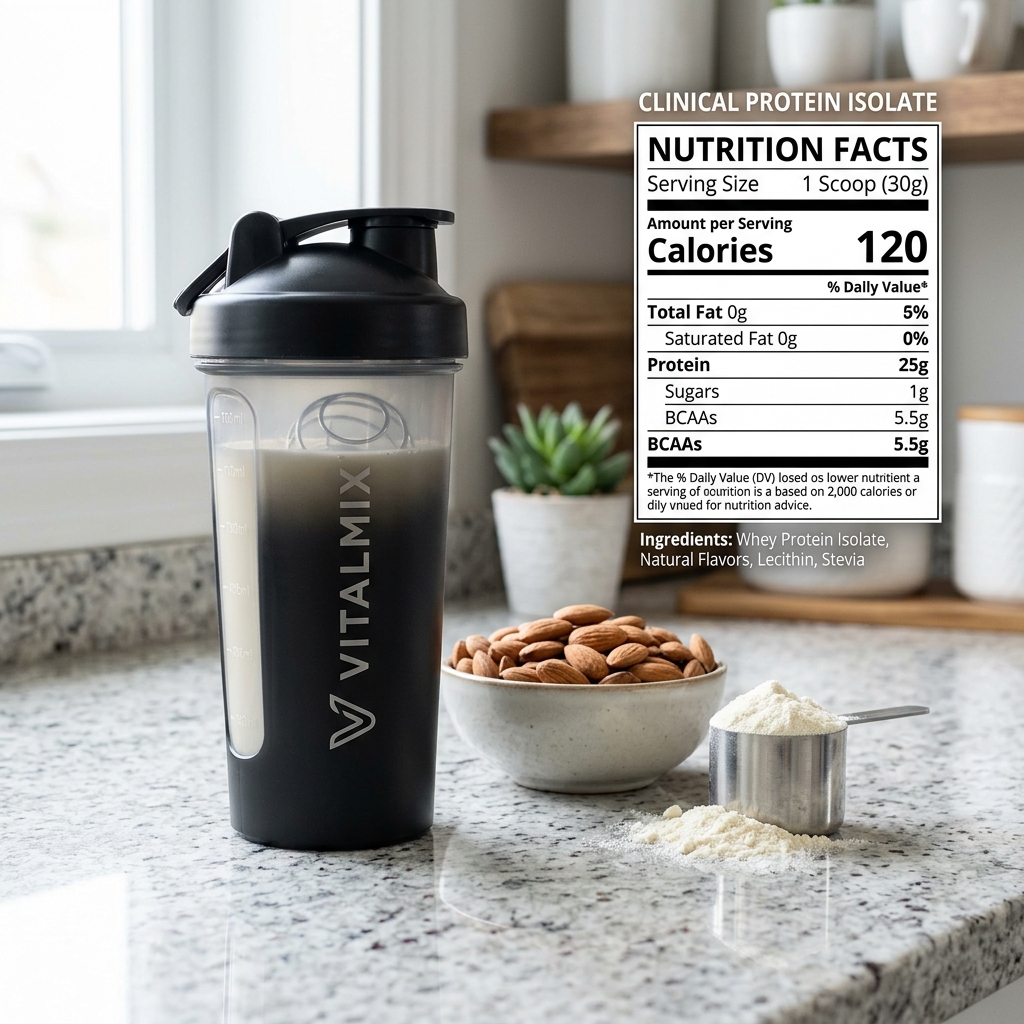
- Ideal macronutrient target: Choose shakes with 20 to 30 grams of high-quality, complete protein, under 150 to 180 total calories, and less than 2 grams of sugar.
- Watch out for GI triggers: Avoid shakes formulated with sugar alcohols (erythritol, sorbitol) and heavy emulsifiers, which ferment slowly and worsen GLP-1 bloating, gas, and nausea.
- The leucine threshold: Ensure your protein source contains at least 2.0g to 3.0g of leucine per serving to trigger muscle protein synthesis (MPS) via the mTORC1 pathway.
- Whey isolate remains the gold standard: It offers maximum purity, a complete amino acid profile, and the highest concentration of leucine with virtually zero lactose.
The Rise of GLP-1 Therapy & The Muscle Mass Dilemma
Glucagon-like peptide-1 (GLP-1) receptor agonists, such as compounded semaglutide, brand-name Ozempic®, and Wegovy®, have revolutionized weight management. By mimicking endogenous satiety hormones, these peptides bind to GLP-1 receptors in the pancreas to optimize insulin secretion and act on the arcuate nucleus of the hypothalamus to suppress appetite. Additionally, they delay gastric emptying to extend the physical sensation of fullness. This allows patients to reduce caloric intake dramatically and achieve profound weight loss.
However, this rapid weight reduction introduces a critical metabolic challenge: the preservation of fat-free mass, or lean muscle. During severe energy restriction, the body does not selectively oxidize adipose tissue. In the absence of adequate protein and resistance training, it undergoes proteolysis, breaking down skeletal muscle proteins. Skeletal muscle is a highly active metabolic organ that drives resting metabolic rate (RMR), regulates glucose disposal, and supports endocrine health. Protecting this tissue is paramount to avoiding sarcopenic obesity and preventing the metabolic slowdown that leads to weight regain once medication is ceased.
For patients navigating GLP-1 therapy, severe appetite suppression and delayed gastric motility make consuming adequate protein from whole food sources difficult. Eating solid proteins like chicken breast or steak can cause physical discomfort or nausea when digestion is slowed. Consequently, high-quality liquid protein supplements have transitioned from athletic aids to essential clinical tools. This guide explores the physiology of muscle loss during medical weight loss, details how to calculate your protein needs, defines criteria for selecting a GLP-1-friendly supplement, and reviews the best protein shakes for 2026.
The Physiology of Lean Muscle Loss During GLP-1 Therapy
When the body enters a profound caloric deficit, it activates catabolic pathways to mobilize energy. Skeletal muscle represents a major reservoir of mobilizable amino acids. In the absence of sufficient protein intake and resistance training, muscle protein breakdown (MPB) exceeds muscle protein synthesis (MPS), manifesting as muscle wasting, or atrophy.
Clinical Evidence: The STEP 1 Body Composition Substudy
The necessity of protecting muscle mass is highlighted by clinical data. In the landmark STEP 1 clinical trial (NCT03548935), which evaluated once-weekly subcutaneous semaglutide 2.4 mg in adults with overweight or obesity, a subset of participants underwent dual-energy X-ray absorptiometry (DEXA) scans. The substudy revealed that while participants achieved substantial weight loss, fat-free mass (which includes skeletal muscle, organs, and connective tissue) accounted for approximately 35% to 40% of the total weight lost.
In traditional, gradual weight loss achieved through moderate caloric restriction, lean mass loss typically accounts for 20% to 25% of total weight reduction. The elevated loss of lean mass observed in the STEP 1 trial is attributed to the speed of weight loss coupled with severe, unmonitored reductions in protein consumption. Without targeted dietary intervention, rapid shedding of weight can leave patients metabolically compromised, with reduced resting energy expenditure.
Metabolic Consequences of Muscle Atrophy
Losing skeletal muscle has severe, long-term metabolic consequences. Skeletal muscle is the primary driver of basal metabolic rate; each pound of muscle burns about three times more calories than a pound of fat at rest. When muscle is sacrificed, the resting metabolic rate drops precipitously (adaptive thermogenesis), making weight maintenance difficult and increasing the likelihood of rapid weight rebound—a clinical concern discussed in our guide to how semaglutide works.
Additionally, muscle loss compromises insulin sensitivity. Skeletal muscle is responsible for over 80% of postprandial glucose disposal via insulin-mediated glucose transport. Reducing muscle mass impairs blood glucose regulation, directly countering the metabolic benefits of GLP-1 therapy. Finally, muscle loss leads to physical weakness and joint instability, reducing overall quality of life.
Calculating Your Daily Protein Target on GLP-1 Therapy
The standard Recommended Dietary Allowance (RDA) for protein in sedentary adults is 0.8 grams per kilogram of body weight per day (g/kg/day). However, this minimum requirement is designed solely to prevent clinical deficiency in individuals consuming maintenance calories. It is insufficient for preserving lean muscle mass during rapid weight loss or severe caloric deficits.
The Clinical Consensus: 1.2 to 1.6 g/kg/Day
Research in the American Journal of Clinical Nutrition (AJCN) demonstrates that higher-protein diets are crucial for sparing fat-free mass during energy restriction. The clinical consensus for patients undergoing medical weight loss is to consume between 1.2 and 1.6 grams of protein per kilogram of body weight daily. Consuming protein within this elevated range provides a continuous supply of essential amino acids, which helps maintain nitrogen balance and sustains muscle protein synthesis in a hypocaloric state.
To determine your daily protein target, convert your body weight from pounds to kilograms by dividing by 2.2, then multiply by your target range (1.2 to 1.6 g/kg).
For example, a patient weighing 180 lbs (81.8 kg):
- Lower Target (1.2 g/kg): 81.8 kg × 1.2 = 98 grams of protein per day.
- Upper Target (1.6 g/kg): 81.8 kg × 1.6 = 131 grams of protein per day.
The Distribution Challenge: Muscle Protein Synthesis (MPS)
Preserving muscle mass depends on daily protein distribution. Because the body does not store amino acids, muscle protein synthesis (MPS) must be stimulated periodically. This is achieved by consuming discrete doses of protein (typically 25 to 35 grams) every three to four hours.
Under the influence of compounded semaglutide or Ozempic®, prolonged satiety and delayed gastric emptying make eating multiple whole-food meals difficult. A patient may feel full after just a few bites of solid protein. By incorporating a high-quality liquid protein shake, patients can deliver 25 to 30 grams of rapidly digestible amino acids to their digestive tract without overloading a slowed stomach, making it possible to hit daily targets without experiencing the fullness or nausea described in our guide on managing semaglutide nausea.
Essential Criteria for Selecting a GLP-1 Protein Shake
Not all protein supplements are appropriate for patients on GLP-1 therapy. Because medications like semaglutide and tirzepatide slow down gastric emptying, food resides in the stomach for a significantly longer period. Consequently, any substance that is difficult to digest or prone to fermentation can cause severe gastrointestinal distress, including bloating, gas, sulfur burps, and acid reflux. When choosing a protein shake or powder, look for the following clinical criteria:
1. High Protein-to-Calorie Ratio
The primary goal is to maximize amino acid delivery while keeping caloric intake controlled. Look for supplements that offer a high density of protein relative to their total energy content. An ideal clinical protein shake should provide at least 20 to 30 grams of protein for under 150 to 180 calories. Avoid mass gainers or meal replacement shakes that contain high levels of carbohydrates and fats, as these add unnecessary calories and can slow digestion even further.
2. Complete Amino Acid Profile & High Bioavailability
Ensure the protein source has a high Digestible Indispensable Amino Acid Score (DIAAS) or Protein Digestibility-Corrected Amino Acid Score (PDCAAS). A score of 1.0 indicates that the protein provides all essential amino acids in optimal ratios and is easily digested and absorbed by the body. Animal-derived proteins like whey isolate and egg white protein, as well as carefully formulated pea and rice plant-protein blends, naturally meet this standard.
3. The Leucine Trigger Threshold
Leucine is a branched-chain amino acid (BCAA) that acts as the primary molecular "on-switch" for muscle protein synthesis, activating the mammalian target of rapamycin complex 1 (mTORC1) pathway. Research indicates that a minimum threshold of 2.0 to 3.0 grams of leucine per serving is required to maximally stimulate MPS. Whey protein isolate naturally contains approximately 11% leucine, meaning a single 25g serving provides around 2.75g of leucine, easily clearing the trigger threshold. Plant proteins typically contain less leucine (6% to 8%) and may require a larger serving size or BCAA fortification to achieve the same metabolic effect.
4. Absence of Sugar Alcohols (Erythritol, Sorbitol, Maltitol)
Many low-carb, keto, and "zero sugar" protein shakes are sweetened with sugar alcohols. While these compounds are low in calories, they are poorly absorbed in the small intestine and travel to the large intestine, where they pull in water via osmosis and are fermented by gut bacteria. When gastric emptying is delayed by GLP-1 therapy, these sugar alcohols sit in the stomach and upper GI tract for extended periods, causing severe bloating, cramping, osmotic diarrhea, and worsening sulfur burps on semaglutide. Ensure your shake is sweetened with non-fermentable options like Stevia, Monk Fruit, or minimal cane sugar.
5. Minimal Thickeners and Emulsifiers
Emulsifiers and thickeners like carrageenan, xanthan gum, guar gum, and carboxymethylcellulose are frequently added to ready-to-drink shakes to improve texture and shelf stability. In a stomach with slowed motility, these thick gels can cause a heavy, uncomfortable feeling of fullness and may irritate the intestinal lining, exacerbating the mild constipation commonly associated with GLP-1 therapy (detailed in our semaglutide constipation guide). Opt for clean, minimalist powders that mix thin.
Get Compounded Semaglutide from Licensed U.S. Pharmacies — $79/mo
Every prescription is written by a licensed U.S. provider and filled by a state-licensed 503A pharmacy following strict sterile standards. Flat-rate pricing across all dose levels.
Start Your AssessmentWhey vs. Plant-Based vs. Collagen: What's Best?
Choosing the correct protein source is vital to maximizing muscle retention while minimizing digestive side effects. The three most common protein types exhibit significant differences in amino acid quality, leucine content, and GI tolerability.
1. Whey Protein Isolate vs. Concentrate
Whey protein is derived from milk during the cheese-making process. It is a complete protein with a PDCAAS of 1.0, rapid digestion kinetics, and an exceptional BCAA profile.
- Whey Protein Isolate (WPI): Undergoes extensive microfiltration to remove almost all fat, carbohydrates, and lactose. WPI is typically 90% or more protein by weight. It is virtually lactose-free, making it highly tolerable for lactose-sensitive individuals. Because of its purity, rapid absorption, and high leucine density, WPI is the gold standard for muscle preservation during GLP-1 therapy.
- Whey Protein Concentrate (WPC): Less filtered, containing 70% to 80% protein, with the remaining fraction comprised of milk fats and lactose. For patients on semaglutide, the presence of lactose combined with slowed gastric transit can trigger gas, bloating, and osmotic diarrhea. WPC should generally be avoided in favor of WPI.
2. Plant-Based Proteins (Pea, Rice, Pumpkin, Soy)
Plant-based proteins are excellent for vegan patients or those with severe dairy allergies. However, plant proteins present unique challenges for GLP-1 patients:
- Amino Acid Limitations: Most individual plant sources are incomplete. For example, pea protein is low in methionine, while rice protein is low in lysine. To ensure a complete amino acid profile, choose a multi-source plant blend (such as pea and rice combined).
- Lower Leucine Density: Plant proteins contain 30% to 40% less leucine than whey. To trigger muscle protein synthesis, patients must consume a larger serving size (e.g., 35g of plant protein vs. 25g of whey isolate) or select a powder fortified with BCAAs.
- Digestibility & Bloating: Plant proteins can be high in insoluble fiber and complex polysaccharides. In a stomach with slowed motility, these fibers can ferment, leading to increased bloating and abdominal distention. Look for highly purified isolates to minimize these side effects.
3. Collagen Peptides: A Common Misconception
Collagen has surged in popularity for skin, hair, and joint health. Many patients add collagen to their coffee or shakes and count it toward their daily protein target. This is a critical clinical error.
Collagen is an incomplete protein. It completely lacks tryptophan, an essential amino acid, and contains very low concentrations of the BCAAs (leucine, isoleucine, and valine) that drive muscle preservation. Its PDCAAS score is 0. While collagen supports connective tissue and skin elasticity, it does not stimulate muscle protein synthesis and will not prevent muscle wasting. Collagen should be treated as a cosmetic supplement, never as a primary protein source for muscle preservation.
The Best Protein Shakes & Powders for 2026
Evaluating supplements requires balancing nutritional purity with digestive tolerance. Based on clinical criteria, ingredient profiles, and feedback from GLP-1 patients, the top-performing protein shakes and powders for 2026 are ranked below.
Category 1: Best Ready-to-Drink (RTD) Shakes
- Fairlife Core Power Elite (Top Pick): Made via ultra-filtration that concentrates milk proteins while removing lactose. The Elite version provides 42g of complete protein (whey and casein) for 230 calories, with zero lactose. It mixes thin and is widely regarded as the easiest RTD on the stomach, providing a smooth taste without chalkiness.
- OWYN Pro Elite: The premier plant-based RTD shake. Providing 35g of protein from a blend of pea, pumpkin, and organic flaxseed, it contains zero sugar and is free from the top nine allergens. It is sweetened with stevia and monk fruit, avoiding sugar alcohols entirely.
- Premier Protein: A widely accessible, cost-effective option offering 30g of protein for 160 calories. While convenient, it contains milk protein concentrate and calcium caseinate, along with artificial sweeteners and thickeners that may cause mild bloating in sensitive patients.
Category 2: Best Clean Protein Powders
- Transparent Labs 100% Grass-Fed Whey Isolate: An exceptionally clean powder providing 28g of protein for 120 calories. It contains zero artificial sweeteners, food dyes, or fillers, sweetened naturally with stevia. With 2.8g of leucine per serving, it is ideal for triggering muscle protein synthesis.
- Dymatize ISO100: Formulated with hydrolyzed whey protein isolate. The proteins are partially broken down into smaller peptide chains, making digestion and absorption extremely rapid. It is virtually lactose-free and mixes easily without clumping.
- Equip Prime Protein: A unique beef protein isolate powder providing 21g of protein for 100 calories. It is dairy-free, soy-free, and gluten-free, made from grass-fed beef protein. It provides a complete amino acid profile, making it highly tolerable for patients with dairy sensitivity.
- Casa de Sante Low FODMAP Certified Whey Isolate: Designed for patients with IBS or severe gut sensitivity. It is certified low-FODMAP, ensuring it is free from fermentable carbohydrates that trigger gas and bloating, making it an excellent match for delayed GLP-1 motility.
| Supplement Name | Protein Source | Protein (g) | Calories | Leucine (g) | GI Tolerability |
|---|---|---|---|---|---|
| Fairlife Core Power Elite | Ultra-Filtered Milk | 42g | 230 | ~4.6g | Excellent (Lactose-Free) |
| OWYN Pro Elite | Pea, Pumpkin, Flax Blend | 35g | 200 | ~2.4g | Excellent (Allergen-Free) |
| Transparent Labs Whey Isolate | Grass-Fed Whey Isolate | 28g | 120 | 2.8g | Excellent (No Additives) |
| Dymatize ISO100 | Hydrolyzed Whey Isolate | 25g | 110 | 2.7g | Excellent (Pre-Digested) |
| Equip Prime Protein | Beef Protein Isolate | 21g | 100 | 1.8g | Excellent (Dairy-Free) |
| Standard Collagen Peptides | Bovine Collagen | 20g | 70 | 0.6g | Poor (Incomplete Protein) |
Practical Timing & Dosing to Minimize Side Effects
Delayed gastric emptying means that how and when you consume your protein shake is just as important as the quality of the ingredients. To optimize absorption and avoid gastrointestinal side effects, implement the following practical strategies:
1. Sip Slowly, Do Not Chug
Consuming a 12-ounce protein shake in under two minutes can overwhelm a stomach with slowed motility. The sudden volume can stretch the stomach lining, triggering early satiety, nausea, and acid reflux (GERD). Sip your shake slowly over a 30 to 45-minute window. This gradual delivery allows the stomach to slowly pass liquid into the duodenum, minimizing pressure and nausea.
2. Align Shakes with the Weekly Dosing Cycle
Appetite suppression and medication side effects peak 24 to 48 hours post-injection. During these peak days, solid food can seem highly unappealing. Use shakes as your primary protein source on these days to maintain nitrogen balance. On days 5 through 7, as medication levels decline and appetite returns, prioritize whole-food proteins (fish, chicken, eggs, tofu) and reduce reliance on liquid supplements.
3. Prevent Acid Reflux: The No-Late-Night Rule
Delayed gastric emptying means a shake consumed at 8:00 PM may still reside in your stomach at bedtime. This can lead to severe nocturnal acid reflux. To protect your esophageal lining and ensure restful sleep, consume your last protein shake or meal at least 3 to 4 hours before bedtime.
4. Pair High Protein with Proper Hydration and Fiber
Increasing protein intake puts additional demands on your kidneys to excrete nitrogenous waste, requiring higher water consumption. Additionally, protein shakes lack natural fiber, which can exacerbate GLP-1-induced constipation. Drink 8 to 12 ounces of water alongside each shake. Consider adding a scoop of unflavored soluble fiber directly to your shake to support healthy bowel motility.
Frequently Asked Questions
Protein is critical because the rapid weight loss induced by GLP-1 receptor agonists can lead to significant muscle mass loss. Skeletal muscle is crucial for maintaining your resting metabolic rate (RMR), joint stability, and insulin sensitivity. Consuming sufficient protein helps preserve muscle mass, ensuring that weight lost comes primarily from fat tissue rather than lean muscle.
For medical weight loss patients, a protein shake should ideally contain between 20 and 30 grams of protein per serving. This concentration is optimal because it stimulates muscle protein synthesis (MPS) without overwhelming delayed gastric emptying. Shakes should also maintain a high protein-to-calorie ratio, offering 20-30g of protein for under 150-180 calories.
Whey protein isolate is generally the gold standard for muscle preservation because it is a complete protein, has a PDCAAS of 1.0, is lactose-free, and contains a high concentration of leucine. However, high-quality plant-based protein blends (such as pea, pumpkin seed, and rice) are excellent alternatives for vegans or those with dairy allergies, provided they are formulated to achieve a complete amino acid profile.
Yes, indirectly. Protein promotes satiety and stabilizes blood glucose levels, which can minimize the severe spikes and crashes that contribute to nausea. Furthermore, drinking liquid protein is often much easier to tolerate on days immediately following your injection when solid food causes nausea. However, shakes must be free of sugar alcohols like erythritol to avoid worsening gas and bloating.
Protein shakes should be used as supplements to hit daily protein targets rather than direct meal replacements. Replacing too many meals with shakes can lead to micronutrient deficiencies. While a shake is helpful on days with extreme appetite suppression, patients should still strive to consume nutrient-dense, whole-food meals containing fiber, healthy fats, and vitamins whenever possible.
Leucine is a branch-chain amino acid (BCAA) that acts as the molecular key to trigger muscle protein synthesis (MPS) via the mTORC1 pathway. Without sufficient leucine (typically 2 to 3 grams per serving), the body cannot fully initiate muscle repair and preservation, even if total protein intake is met. High-quality whey isolate naturally provides this leucine threshold.
Start Compounded Semaglutide at $79/mo — Licensed Providers, Licensed Pharmacies
Complete your 5-minute online assessment, get evaluated by a U.S. licensed provider within 24 hours, and receive your compounded semaglutide from a state-licensed 503A pharmacy — shipped directly to your door.
Get Started TodayClinical References & Sources
- National Institutes of Health. (2021). STEP 1 Body Composition Substudy: Efficacy and safety of semaglutide 2.4 mg once-weekly in adults with overweight or obesity. ClinicalTrials.gov (NCT03548935)
- American Journal of Clinical Nutrition. (2018). Protein intake and muscle protein synthesis during energy restriction: preserving lean body mass during weight loss. AJCN Article
- U.S. Food and Drug Administration. (2024). Human Drug Compounding Under Section 503A and 503B of the FD&C Act: Policy and Sterile Compounding Standards. FDA.gov Guidance