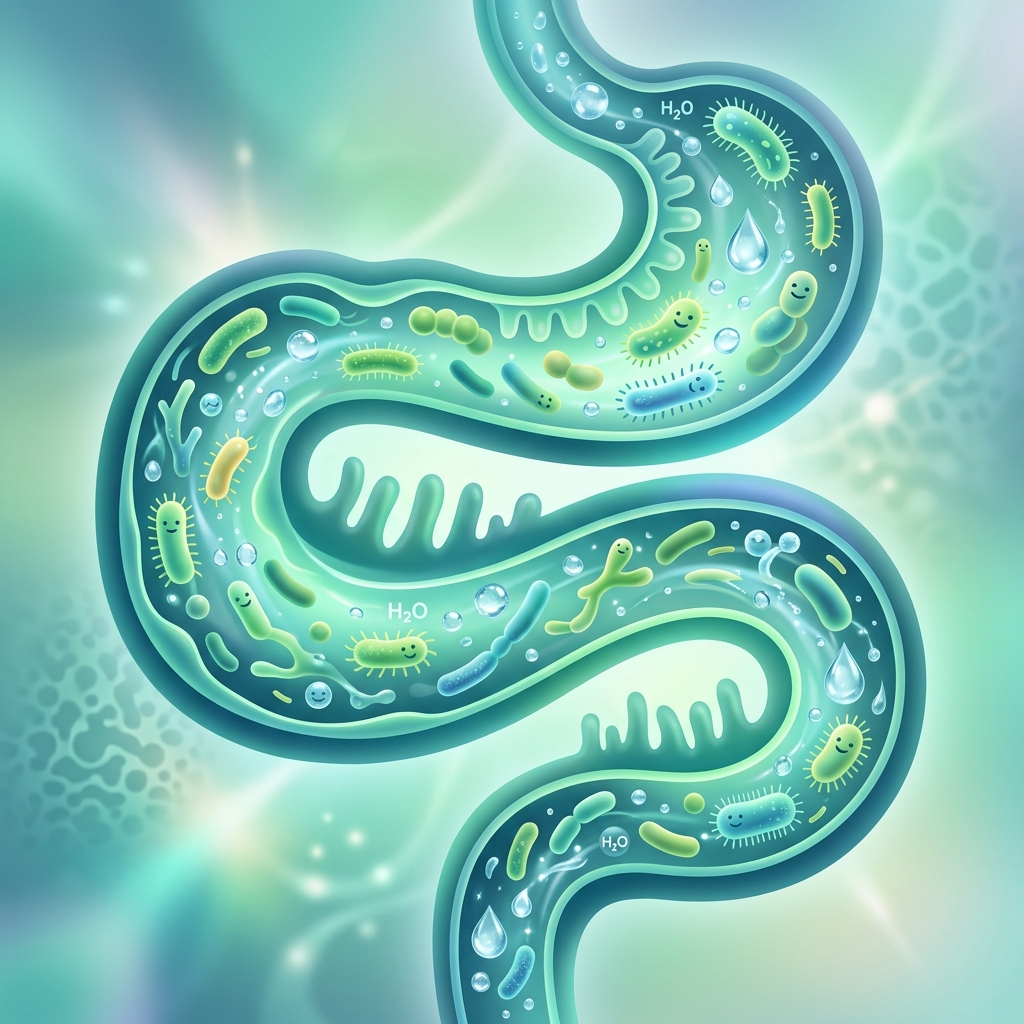
- Underlying Mechanisms: Understand the three physiological pathways of semaglutide-induced diarrhea—including colonic fluid transporter alteration, gut microbiome dysbiosis, and the lipids "dumping" effect.
- Dietary Triggers: Learn why high-fat, greasy, deep-fried, and highly processed foods interact with slowed gastric emptying to create sudden osmotic purging.
- Clinical Hydration Protocol: Why drinking pure water is insufficient for acute diarrhea, and how to utilize clinical Oral Rehydration Solutions (ORS) to prevent pre-renal failure.
- The Soluble Fiber Standard: How to utilize psyllium husk to absorb excess fecal water and establish stool structure without worsening gut irritation.
- Imodium vs. Pepto-Bismol: Discover the distinct biological mechanisms, clinical indications, and serious risks of over-correcting with loperamide while taking GLP-1 medications.
- Red Flag Symptoms: Identify critical warnings—such as acute localized epigastric pain, high fever, bloody stools, or severe dehydration—that require immediate emergency medical care.
Introduction: The Complexities of GLP-1 Gastrointestinal Side Effects
Glucagon-like peptide-1 (GLP-1) receptor agonists, including semaglutide (commercially prescribed as Ozempic® and Wegovy®), have redefined the clinical treatment of chronic weight management and type 2 diabetes. By mimicking endogenous incretin hormones, semaglutide targets receptors in the central nervous system to enhance satiety, suppress appetite, and regulate postprandial blood glucose levels. Clinical data from the landmark STEP trials indicate that once-weekly subcutaneous semaglutide can produce a mean body weight reduction of up to 15% when paired with lifestyle modifications.
However, the therapeutic mechanisms that make semaglutide highly effective also alter normal digestive physiology. While nausea and constipation dominate patient-facing brochures, managing semaglutide nausea and treating loose stools are equally vital for patient adherence. Diarrhea is a frequent and highly disruptive side effect, affecting between 9% and 12% of patients during clinical trials. Because severe diarrhea can quickly compromise hydration, interrupt therapeutic titration schedules, and impact overall quality of life, understanding how to preemptively address and manage this side effect is critical.
This clinical guide details the physiological mechanisms behind semaglutide-induced diarrhea, reviews the primary dietary triggers that aggravate the bowel, outlines a step-by-step clinical management protocol, and establishes clear parameters for when patients must seek medical intervention.
The Three Clinical Mechanisms of Semaglutide-Induced Diarrhea
To treat and prevent loose stools on a GLP-1 medication, we must look beyond basic bowel irritation. Semaglutide-induced diarrhea is not a singular phenomenon; rather, it is driven by three distinct physiological changes in the gastrointestinal (GI) tract: altered colonic fluid absorption, bacterial fermentation shifts, and fat malabsorption dumping. Let's analyze each pathway.
1. Colonic Fluid Transporter Alteration (Secretory Fluid Shifts)
The human colon is responsible for processing semi-liquid digest from the small intestine, extracting water and essential salts (primarily sodium and chloride) to form solid feces. This process relies on specialized transport proteins embedded in the colonic mucosal cells, specifically the sodium-hydrogen exchanger 3 (NHE3) and apical chloride/bicarbonate exchangers.
GLP-1 receptors are widely distributed throughout the intestinal tract. When these receptors are continuously stimulated by a long-acting agonist like semaglutide (which has a circulating half-life of 168 hours), it can disrupt the normal balance of mucosal absorption and secretion. Studies suggest that pharmacological levels of GLP-1 receptor activation can downregulate NHE3 activity, reducing the colon's capacity to absorb sodium. Because water moves passives along osmotic gradients, unabsorbed sodium remains in the colonic lumen, drawing fluid into the colon and keeping stools loose and watery. In some patients, this can trigger active chloride secretion via cystic fibrosis transmembrane conductance regulator (CFTR) channels, accelerating fluid accumulation in the lower bowel.
2. Upper GI transit Stagnation and Small Bowel Dysbiosis
Semaglutide slows down motility throughout the gastrointestinal tract, starting in the stomach (delayed gastric emptying) and extending through the jejunum and ileum. By delaying transit times, the medication allows the body more time to extract nutrients and signals the brainstem that the gut is full.
However, this slowed flow can also cause stasis. When partially digested food remains stagnant in the small intestine for extended periods, it creates a breeding ground for normal gut bacteria to multiply. In healthy individuals, the small intestine has a low bacterial count compared to the colon. When transit is slowed, bacteria can migrate upward and ferment undigested sugars and carbohydrates prematurely. This dysbiosis—often resembling a transient form of Small Intestinal Bacterial Overgrowth (SIBO)—releases excess hydrogen, carbon dioxide, and organic acids. These fermentation products irritate the sensitive lining of the small bowel and colon, triggering cramping and osmotic diarrhea as the body tries to clear the bacterial stagnation.
3. The Lipid "Dumping" Effect (Fat Malabsorption and Osmotic Purging)
The most common dietary cause of severe diarrhea on semaglutide is the rapid passage of undigested lipids, a process known as fat dumping or osmotic steatorrhea. Under normal physiological conditions, the stomach slowly churns fats and releases them in small, controlled portions into the duodenum, where they are emulsified by bile acids and broken down by pancreatic lipase enzymes.
When a patient on semaglutide consumes a high-fat or greasy meal, gastric emptying is severely delayed. The fats remain trapped in the stomach for hours. Eventually, the stomach empties its contents in a delayed, sudden burst. This bolus of fats is dumped into the small intestine, overwhelming the available bile and lipase enzymes. Because the fats cannot be digested and absorbed in time, they pass into the colon in their raw, intact state.
Once in the colon, these undigested lipids act as strong osmotic agents, drawing water into the bowel. Colonic bacteria also metabolize these fats into hydroxy fatty acids, which behave like chemical laxatives (similar to castor oil). This causes sudden, urgent, and often oily diarrhea accompanied by painful abdominal cramping.
Identifying Dietary Triggers: The Path to GI Comfort
Because the stomach's digestion is slowed by semaglutide, the chemical composition of what you eat determines how your bowel reacts. Avoiding the dietary triggers that cause lipid dumping and osmotic fluid shifts is the first step in managing diarrhea.
1. High-Fat, Greasy, and Deep-Fried Foods
Meals with a high fat content—such as fried chicken, cheeseburgers, pizza, heavily buttered dishes, and fatty cuts of meat—are the primary triggers for fat dumping. The stomach cannot digest these dense lipids quickly, resulting in prolonged fullness followed by sudden colonic purging. Minimizing these fats is essential; for detailed guidance on structuring your meals, consult our resource on foods to avoid on semaglutide.
2. Simple Sugars and Osmotic Carbohydrates
Concentrated sugars (such as those in sodas, fruit juices, candy, and heavy desserts) draw water into the intestinal lumen via osmosis. When these simple sugars enter a digestive tract that is already moving slowly, they pull fluid out of surrounding tissues, creating a hyperosmolar environment that leads to bloating, gas, and watery stools.
3. Sugar Alcohols and Artificial Sweeteners
Patients on weight loss protocols often turn to "sugar-free" or "keto-friendly" processed products. Many of these products are sweetened with sugar alcohols like sorbitol, mannitol, xylitol, erythritol, and maltitol. These compounds are poorly absorbed by the human small intestine, meaning they travel to the colon intact. There, they draw water into the stool and undergo rapid bacterial fermentation, which can trigger explosive diarrhea and severe gas.
4. Lactose and Dairy Sensitivities
Slowed intestinal transit times can temporarily alter the expression of brush-border digestive enzymes, including lactase. As a result, patients who normally tolerate dairy may develop a temporary lactose intolerance while on semaglutide. Undigested lactose travels to the colon, where it causes gas, bloating, and acidic diarrhea.
5. Caffeine and Carbonation
Caffeine is a natural stimulant that increases acetylcholine levels in the enteric nervous system, promoting gut peristalsis. In a digestive tract already struggling with fluid absorption and dysbiosis, caffeine can over-stimulate the bowels, leading to loose stools. Carbonated beverages also introduce gas into the stomach, distending the gastric walls and disrupting transit flow.
Manage Side Effects with Licensed Clinical Providers — Just $79/Month
Get personalized GLP-1 weight loss care with U.S. licensed providers who can help you adjust your dosing, manage side effects, and safely titrate to your health goals. Flat-rate pricing, no surprise fees.
Start Your AssessmentThe Practical Management Protocol: A Step-by-Step Clinical Approach
If you experience loose stools or diarrhea after starting semaglutide or increasing your dose, you can manage the symptoms using a systematic, four-phase clinical protocol designed to restore hydration, firm the stool, rest the bowel, and rebalance the gut microbiome.
Phase 1: Hydration and Electrolyte Replenishment
Diarrhea causes rapid loss of fluids and essential intracellular and extracellular electrolytes—specifically sodium, potassium, chloride, and bicarbonate. Dehydration can worsen nausea, cause severe headaches, and increase the risk of acute kidney injury (AKI) due to decreased renal perfusion. Drinking plain water in large quantities is not recommended; it can dilute the remaining sodium in the blood, leading to a dangerous condition called hyponatremia.
Instead, use clinical **Oral Rehydration Solutions (ORS)** that utilize the sodium-glucose cotransport system in the small intestine. When sodium and glucose are consumed together in a specific ratio, they actively draw water into the bloodstream through the intestinal wall, even during active diarrhea. You can purchase commercial ORS packets (such as Liquid I.V., DripDrop, or WHO-formulated rehydration salts) or drink clear, sodium-rich bone broths. Aim to sip 2 to 3 liters of electrolyte-rich fluids daily in small, frequent portions to avoid stretching the stomach.
Phase 2: Soluble Fiber Therapy (Psyllium Husk)
Many patients assume all fiber increases bowel movements, but there is a crucial difference between soluble and insoluble fiber. Insoluble fiber (found in wheat bran, raw vegetables, and nuts) acts as a mechanical stimulant, increasing transit speed and irritating an already overactive colon.
In contrast, **soluble fiber** (such as psyllium husk, methylcellulose, or oat bran) absorbs water. As it moves through the digestive tract, it forms a thick, viscous gel that binds to excess fluid in the colon. This gel helps bulk up loose, watery stools and slows down transit times, giving the colon more time to absorb water. To start, mix 1 teaspoon of high-quality psyllium husk powder in 8 ounces of water and drink it once daily. Be sure to drink plenty of fluids with it, as soluble fiber requires adequate hydration to function safely, especially when gastric transit is slowed.
Phase 3: The BRAT Diet and Bowel Rest
When the bowel is inflamed and overactive, it is important to rest the gastrointestinal tract by eating simple, easily digestible foods. The clinical standard is the **BRAT diet**, which consists of foods that are low in fiber, fat, and protein, placing minimal digestive demand on the stomach and intestines:
- Bananas (B): Easy to digest and rich in potassium, which helps replenish lost electrolytes. They also contain amylase-resistant starch and pectin, a soluble fiber that helps firm up loose stools.
- Rice (R): White rice is a refined carbohydrate that is quickly and fully absorbed in the small intestine, leaving minimal residue to irritate the colon. Avoid wild or brown rice during acute diarrhea, as their high insoluble fiber content can worsen symptoms.
- Applesauce (A): Cooking apples breaks down their cellular walls, making the pectin readily available to absorb excess water in the colon. Applesauce is gentle on the stomach and provides basic glucose for energy.
- Toast (T): Plain, toasted white bread provides easily absorbed carbohydrates without introducing fats or roughage. Avoid butter, margarine, or high-fiber whole grain breads.
The BRAT diet is a short-term intervention designed for **24 to 48 hours** to allow the gut to settle. Because it lacks sufficient protein, healthy fats, and micronutrients, remaining on the BRAT diet long-term can lead to muscle wasting and nutrient deficiencies. As your bowel movements begin to form, gradually introduce lean proteins like egg whites, skinless chicken breast, or firm tofu prepared without oil.
Phase 4: Targeted Probiotics and Gut Flora Recovery
To address the dysbiosis and fermentation caused by slowed upper GI transit, introducing targeted probiotics can help re-establish a balanced gut microbiome. Probiotics help suppress the overgrowth of gas-producing bacteria, reduce mucosal inflammation, and strengthen the tight junctions of the intestinal barrier.
When selecting a probiotic for diarrhea, look for clinically studied strains shown to reduce the duration and frequency of loose stools:
- Saccharomyces boulardii: A non-pathogenic, transient yeast that is highly resistant to stomach acid. It works by secreting proteins that neutralize bacterial toxins, reducing intestinal inflammation, and promoting the absorption of nutrients and fluids.
- Lactobacillus rhamnosus GG (LGG): One of the most thoroughly researched probiotic bacterial strains, LGG adheres well to the intestinal mucosa, produces protective organic acids, and helps restore normal bowel frequency.
Choose a high-quality supplement containing at least 10 to 20 billion CFUs (Colony Forming Units) and consume it daily with a cool liquid, as hot beverages can destroy the beneficial live cultures.
Pharmacological Management: Imodium vs. Pepto-Bismol
When lifestyle and dietary changes do not provide sufficient relief, over-the-counter medications can help manage acute diarrhea. However, because semaglutide already slows down gastrointestinal motility, these medications must be used with caution to avoid severe complications. Review the clinical guidance below on choosing the right treatment.
Loperamide (Imodium): A weak mu-opioid receptor agonist that acts directly on the muscles of the intestinal wall. It slows down peristalsis, increases transit time, and allows the colon more time to absorb fluids.
Clinical Warning: Because semaglutide already slows down your digestive tract, taking too much Imodium can cause a severe rebound effect, shifting your bowels from diarrhea to painful, severe constipation or even a bowel obstruction (paralytic ileus). Use Imodium strictly as a short-term rescue medication (e.g., 2 mg after the first loose stool, up to 4-8 mg daily maximum) and stop as soon as stools begin to form. Never use Imodium if you have a fever or bloody stools, as trapping bacteria in a slowed bowel can cause severe systemic infection.
Bismuth Subsalicylate (Pepto-Bismol): Works through anti-secretory, anti-inflammatory, and mild antimicrobial mechanisms. The salicylate component reduces inflammation in the bowel wall, decreasing the secretion of water and electrolytes, while the bismuth component binds to bacterial toxins.
Clinical Warning: Pepto-Bismol is often a safer starting choice for mild, watery diarrhea accompanied by sulfur burps or acid reflux, as it does not slow down gut motility as aggressively as Imodium. However, it can cause your stool and tongue to turn dark black, which is a harmless, temporary reaction. Do not use Pepto-Bismol if you are taking aspirin or other salicylates, or if you have a known salicylate allergy.
Dosing and Titration Strategies to Minimize Bowel Issues
In most cases, gastrointestinal side effects like diarrhea are transient, occurring primarily during the initiation phase of therapy or immediately following a dose escalation (such as moving from 0.25 mg to 0.5 mg, or from 0.5 mg to 1.0 mg). If diarrhea becomes persistent, discuss these titration adjustments with your healthcare provider:
- Extend the Dosing Interval: Rather than escalating your dose every 4 weeks as standard, your provider may recommend staying at your current tolerated dose for an additional 4 to 8 weeks. This allows your gut microbiome and enteric nervous system more time to adapt to the GLP-1 hormone. For detailed strategies on managing the transition between side effects, read our guide on treating semaglutide constipation.
- Temporary Dose Reduction: If escalating to a higher dose triggers severe, uncontrolled diarrhea, your provider may instruct you to step back down to the previously tolerated lower dose for several weeks before attempting another gradual escalation.
- Split Dosing (Compounded Semaglutide Only): If you are utilizing compounded semaglutide sourced from a multi-dose vial, you may be able to split your weekly dose into two smaller doses administered twice a week (e.g., injecting 0.25 mg on Monday and 0.25 mg on Thursday instead of a single 0.50 mg dose on Monday). This helps flatten the peak drug levels ($C_{max}$) in your bloodstream, reducing the intensity of side effects while maintaining the same total weekly dose.
Red Flags: When to Contact a Healthcare Provider Immediately
While mild to moderate diarrhea is a common side effect of GLP-1 therapy, patients must be able to recognize when symptoms signal a more serious medical complication. Contact your healthcare provider or seek immediate medical care if you experience any of the following red flags:
- Signs of Severe Dehydration: Extreme dizziness, lightheadedness (especially when standing up), confusion, dry mouth, rapid heart rate, or a significant decrease in urination (urine that is dark amber or brown). These signs indicate that your body is losing fluids faster than you can replace them, which can lead to acute kidney injury.
- Severe, Localized Abdominal Pain: Persistent, sharp, or worsening pain in the upper abdomen (epigastrium) that radiates through to the back, often accompanied by persistent vomiting. This can be a sign of acute pancreatitis, a rare but serious inflammatory condition linked to GLP-1 medications.
- High Fever: A temperature exceeding 101°F (38.3°C). A high fever suggests that your diarrhea may be caused by an underlying viral, bacterial, or parasitic infection rather than semaglutide, requiring separate medical treatment.
- Blood in the Stool: Stools that contain bright red blood, or appear black, tarry, and have an unusually foul odor (melena). This indicates potential bleeding in the gastrointestinal tract and requires prompt evaluation.
- Symptoms Persisting Beyond 48 Hours: Diarrhea that continues for more than 48 hours without signs of improvement, or an inability to keep any fluids down for more than 24 hours due to accompanying nausea and vomiting.
Start Compounded Semaglutide at $79/mo — Online Medical Evaluation
Complete your 5-minute online medical assessment, consult with a licensed provider, and receive compounded semaglutide prepared by U.S. state-licensed compounding pharmacies. Free shipping and ongoing clinical support included.
Get Started TodayFrequently Asked Questions
While constipation is more commonly discussed due to delayed gastric emptying, semaglutide can cause diarrhea through several pathways. Slowed digestion can lead to undigested nutrients—especially fats—reaching the small and large intestines (fat dumping), drawing water in osmotically. Additionally, altered bowel transit times can disrupt fluid absorption rates in the colon and cause microbiome changes (dysbiosis) that stimulate liquid stools.
For most individuals, semaglutide-induced diarrhea is temporary, lasting between a few days to two weeks. It is most common when initiating treatment or immediately following a dose escalation (such as moving from 0.25 mg to 0.5 mg). As the gastrointestinal tract and central nervous system adapt to the GLP-1 hormone, symptoms usually subside.
Yes. High-fat, greasy, or deep-fried foods are primary dietary triggers. Because semaglutide slows down gastric emptying, fats sit in the stomach for longer periods. When the stomach eventually empties, a concentrated amount of undigested lipids is dumped into the small intestine, overwhelming digestive enzymes and causing rapid osmotic fluid shifts (osmotic diarrhea).
Yes, Imodium is generally safe for short-term use to control acute, watery diarrhea. However, it must be used with caution because semaglutide already slows down your digestive tract. Overusing Imodium can rapidly swing your bowel movements into severe, painful constipation or even a bowel obstruction. It should only be used as a temporary rescue option, not a daily preventative.
You should not stop your medication without consulting your healthcare provider. Mild to moderate diarrhea is a common side effect during the titration phase. However, if your diarrhea is severe, accompanied by a high fever, severe abdominal pain, or blood in the stool, or if you cannot keep liquids down for 24 hours, you should pause dosing and contact your provider immediately.
Anecdotally, many patients report fewer gastrointestinal side effects (including nausea and diarrhea) when injecting semaglutide into the thigh or the back of the arm rather than the abdomen. While clinical studies show similar drug absorption across all subcutaneous sites, rotating your injection site to the thigh is a simple and low-risk strategy that many find helpful.
Clinical References & Sources
- Wilding, J. P. H., Bateman, A. H., et al. (2021). Once-weekly semaglutide in adults with overweight or obesity. New England Journal of Medicine, 384(11), 989-1002. ClinicalTrials.gov (NCT03548935)
- Smits, M. M., & Van Raalte, D. H. (2021). Safety of GLP-1 Receptor Agonists: A Focus on Gastrointestinal Adverse Effects. Trends in Endocrinology & Metabolism, 32(10), 763-775. Trends in Endocrinology Publication
- Gorgojo-Martínez, J. J., Mezquita-Raya, P., et al. (2023). Clinical Recommendations for Managing GLP-1 Receptor Agonist-Associated Gastrointestinal Adverse Effects. Journal of Clinical Medicine, 12(1), 145. JCM Publication
- Wadden, T. A., Bailey, T. S., et al. (2021). Effect of weekly subcutaneous semaglutide 2.4 mg vs placebo as adjunct to intensive behavioral therapy on body weight in adults with overweight or obesity: The STEP 3 randomized clinical trial. JAMA, 325(14), 1403-1413. JAMA Publication
- U.S. Food and Drug Administration. (2024). Medications Containing Semaglutide Marketed for Type 2 Diabetes or Chronic Weight Management. FDA.gov Safety Portal