
- Starting July 1, 2026, Cigna will end insurance coverage for GLP-1 weight-loss medications for its own employees.
- The change does not affect GLP-1 prescriptions for Type 2 diabetes, which will remain covered under the employee plan.
- Cigna cited the rising cost of obesity drugs and the availability of non-pharmacological wellness programs as key factors.
Cigna announced it will end coverage of GLP-1 weight-loss drugs for its own employees on July 1, 2026.
Cigna's New Employee Coverage Restrictions
Health insurance giant Cigna has announced a major policy change that will eliminate coverage for GLP-1 weight-loss medications for its own employees. Starting July 1, 2026, the company will no longer cover popular anti-obesity drugs, including Novo Nordisk's Wegovy and Eli Lilly's Zepbound, under its employee health benefit plans. This change represents a significant shift in internal benefits policy for one of the nation's largest healthcare companies.
The policy update specifically targets medications prescribed for chronic weight management. Cigna confirmed that employees currently taking these medications for weight loss will have a transition period to refill prescriptions through June 30, 2026, after which they must pay out-of-pocket or transition to other programs. Understanding your financial options, including reviewing viewing current weight care pricing, is essential for patients affected by insurance changes.
Explore Medical Weight Care Programs
Find clinical options for semaglutide, tirzepatide, and other medical weight loss solutions.
See Pricing OptionsWhy Insurance Giants Are Restricting GLP-1 Access
Cigna's decision to drop weight-loss coverage for its own workforce highlight the growing tension between health plan sponsors and the high cost of GLP-1 receptor agonists. GLP-1 receptor agonists are a class of medications that mimic the glucagon-like peptide-1 hormone to regulate appetite and slow digestion, resulting in significant weight loss. However, with list prices for these medications often exceeding $1,000 per month, the cumulative cost to employers has become a primary financial concern.

Company spokespersons indicated that the decision was driven by the availability of alternative, comprehensive weight-management programs and the need to manage healthcare costs responsibly. The insurer stated it will continue to support employee health through digital coaching, nutritional counseling, and non-pharmacological lifestyle management resources. This rationale reflects a broader trend among major corporations seeking to limit their exposure to the soaring costs of weight-loss drugs.
The Financial Impact of Obesity Medication Costs
The financial impact of weight-loss drugs on employer-sponsored health plans is substantial. Industry analysts estimate that if even 10% of a company's workforce uses a GLP-1 medication, it can increase the employer's total healthcare spending by 20% to 30%. Because obesity is a chronic condition requiring long-term treatment, these expenses are recurring, creating long-term budget pressures for self-insured employers.
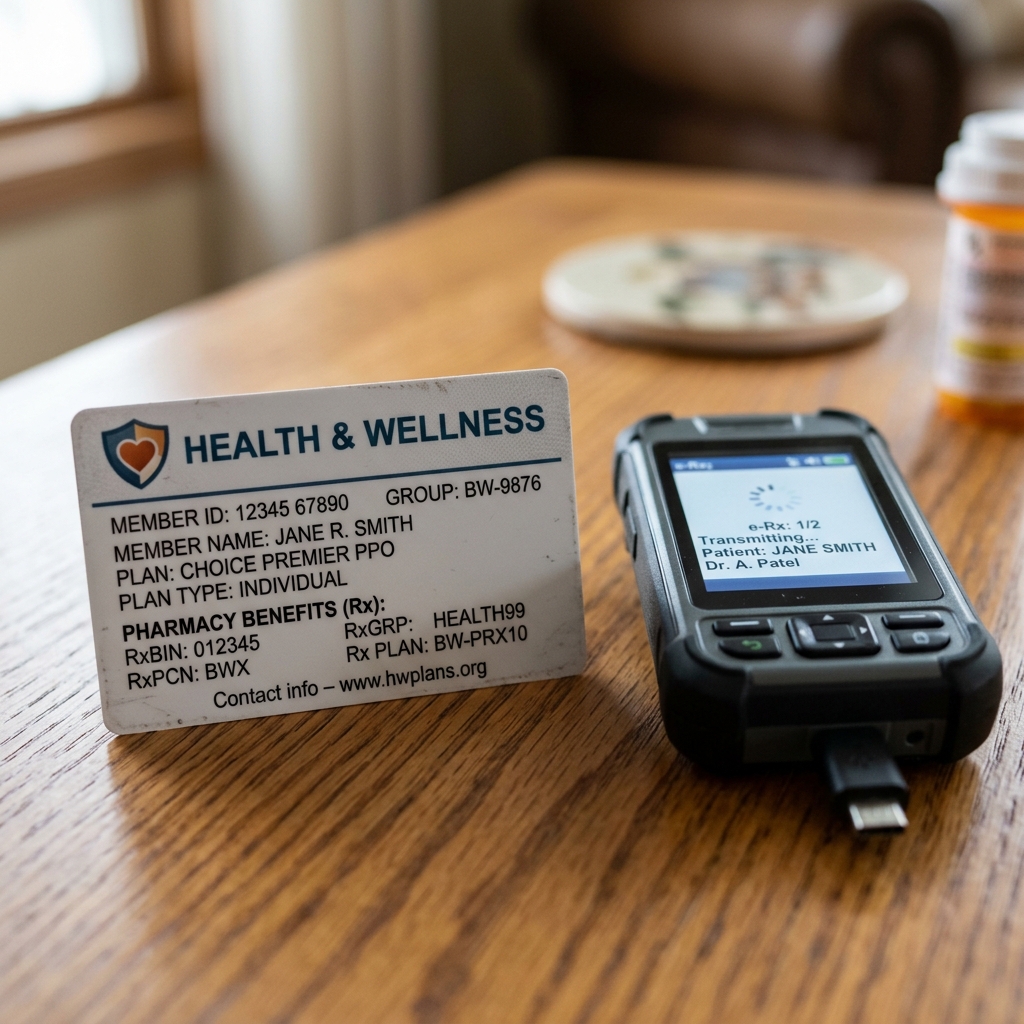
While some clinical studies suggest that weight loss can reduce long-term costs associated with cardiovascular disease and diabetes, health insurers argue that these savings take years to materialize. In contrast, the high monthly costs of the drugs are felt immediately. This imbalance has prompted insurers to implement stricter prior authorization criteria or, in Cigna's case, eliminate coverage entirely for weight loss while continuing coverage for Type 2 diabetes. To explore alternative treatments, patients can view tirzepatide options online.
Compare Top Weight Loss Treatments
Select from clinically backed options designed to support long-term metabolic health.
See Pricing OptionsAlternative Weight Management Programs and Solutions
For employees losing coverage, finding alternative solutions is critical. Cigna plans to transition affected workers to structured wellness programs that emphasize diet, behavior modification, and physical activity. These programs often use digital health platforms to track progress and provide coaching, offering a lower-cost alternative to prescription medications.
Additionally, the pharmaceutical market is evolving with the introduction of new, lower-cost weight-loss treatments and generic alternatives. As clinical pipelines mature, the cost of anti-obesity medications is expected to decrease, potentially allowing employers to reconsider coverage in the future. For now, patients must work with their healthcare providers to evaluate non-covered clinical options or identify secondary insurance solutions.
Broader Implications for Employer-Sponsored Health Plans
Cigna's policy update could serve as a bellwether for other large corporations managing employee health benefits. As a major health insurer, Cigna's internal decisions are closely watched by other employers who look to industry leaders for benefits design strategies. If other companies follow Cigna's lead, access to employer-sponsored GLP-1 coverage could decline nationwide.
This decision also intensifies the debate over health equity and coverage standards for obesity, which major medical organizations recognize as a chronic disease rather than a cosmetic concern. Advocacy groups argue that denying coverage for FDA-approved obesity treatments undermines patient care and exacerbates health disparities. The coming months will reveal how employees and the broader employer market respond to these restrictive coverage policies.
This article is for informational purposes only and is not medical advice. Consult your healthcare provider before starting any weight loss medication or treatment.
Access Medically Supervised Treatment
Check your clinical eligibility and view affordable pricing packages online.
See Pricing Options
References
- Cigna Employee Benefits — Cigna Group. (2026). Internal employee benefits update regarding prescription coverage for weight-loss medications. Cigna Benefits.
- Seeking Alpha News — Seeking Alpha. (2026). Cigna ends coverage of weight-loss drugs Wegovy, Zepbound for employees. Seeking Alpha Pharma News.
Related Stories


Disclaimer: This article is for informational purposes only and is not medical advice. Consult your healthcare provider before starting any weight loss medication, peptide protocol, or metabolic therapy.