
- The FDA's Pharmacy Compounding Advisory Committee will evaluate seven popular peptides for official compounding eligibility.
- Peptides under review include BPC-157, TB-500, KPV, MOTs-C, Emideltide, Semax, and Epitalon.
- Major medical organizations like the AMA warn against self-administering unregulated peptides purchased online as 'research chemicals'.
Seven peptide substances face a pivotal FDA advisory review in July 2026.
The U.S. Food and Drug Administration (FDA) has scheduled a two-day meeting of its Pharmacy Compounding Advisory Committee (PCAC) for July 23–24, 2026. The committee will evaluate whether seven popular peptides should be formally added to the Section 503A bulk drug substances list. If approved, licensed compounding pharmacies would gain a clear legal framework to prepare custom, patient-specific formulations under physician oversight.
The meeting at the FDA's White Oak Campus comes amid rising global concerns about the unregulated sale of wellness peptides. Many of these substances are sold online without robust clinical trial data, prompting regulators to seek structured oversight.
What Is at Stake: The 503A Bulks List
Section 503A allows pharmacies to compound drugs from bulk ingredients only if they appear on an approved FDA list or in official pharmacopeias. The seven peptides under review currently lack these listings, placing them in a regulatory gray zone. The PCAC will provide independent scientific advice to help the FDA decide if these substances are safe and appropriate for compounding.
Although the FDA removed these peptides from its high-risk "Category 2" list in April 2026, compounding them is still not officially authorized. The upcoming July review is the next step toward a final regulatory decision. If you are interested in exploring structured peptide options, you should consult with a provider through licensed peptide therapy programs.
Explore Medical Weight Care Programs
Find clinical options for semaglutide, tirzepatide, and other medical weight loss solutions.
See Pricing OptionsThe Seven Peptides Under Review
The July advisory committee sessions will evaluate each of the seven peptides individually, reviewing preclinical data and safety reports:

- BPC-157 & TB-500: Synthetic peptides studied in animals for wound healing and tissue repair, though both are banned by the World Anti-Doping Agency (WADA).
- KPV & MOTs-C: Peptides investigated for their anti-inflammatory properties and potential roles in metabolic regulation.
- Emideltide, Semax, & Epitalon: Compounds studied for sleep regulation, cognitive support, and telomerase activation related to cellular aging.
It is important to remember that none of these substances are FDA-approved drugs. Inclusion on the 503A list would simply regulate how they are compounded, not approve them as standard medicines.
Safety Concerns From Medical Organizations
The upcoming review is driven by warnings from major medical groups like the American Medical Association (AMA). Laboratory testing of peptides sold online has frequently revealed contamination with bacteria, heavy metals, and incorrect dosages. The AMA cautions that self-injecting unregulated products purchased online as "research chemicals" carries severe health risks, including infection and dosing errors.
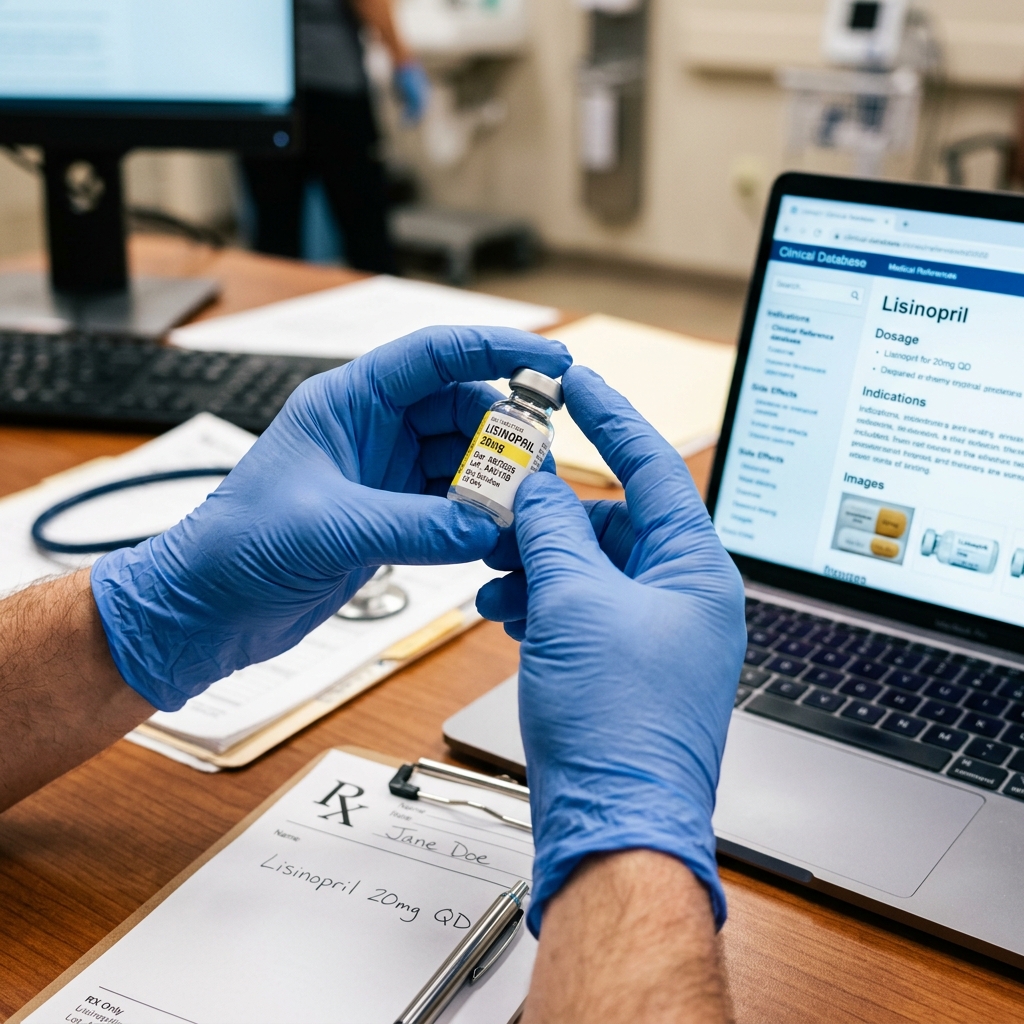
Additionally, some peptides like BPC-157 promote angiogenesis (the growth of new blood vessels), which could theoretically accelerate cancer cell growth. For these reasons, clinical supervision is critical when using any peptide-based treatment.
Compare Top Weight Loss Treatments
Select from clinically backed options designed to support long-term metabolic health.
See Pricing OptionsEvaluating Approved Alternatives for Metabolic Health
While the regulatory status of these seven peptides is being decided, patients can access safe, FDA-approved options for weight and metabolic health. Clinically studied treatments like semaglutide are manufactured under strict pharmaceutical standards and backed by large-scale safety data.
Consulting with a licensed doctor is the safest way to build a personalized metabolic health plan. To find out if you meet the requirements for these approved programs, you can check if they qualify or view current pricing options today.
What Happens After the PCAC Meeting
Following the PCAC review, the FDA will evaluate the committee's advice before beginning the formal rulemaking process. Because rulemaking involves public comments and multiple draft proposals, a final regulatory decision could take several months. In the meantime, patients should avoid self-prescribing unregulated peptides.
Working with a licensed provider ensures your treatment protocol is safe and built on clinical evidence. Healthcare professionals advise patients to choose FDA-approved options while the regulatory status of other compounds is resolved. Keep an eye on PCAC announcements for updates on these promising cellular therapies.
This article is for informational purposes only and is not medical advice. Consult your healthcare provider before starting any weight loss medication or treatment.
Access Medically Supervised Treatment
Check your clinical eligibility and view affordable pricing packages online.
See Pricing Options
References
- U.S. Food and Drug Administration. (2026). Pharmacy Compounding Advisory Committee Meeting Calendar. FDA.gov Advisory Committee Calendar
Related Stories


Disclaimer: This article is for informational purposes only and is not medical advice. Consult your healthcare provider before starting any weight loss medication, peptide protocol, or metabolic therapy.