
- The FDA announced a recall of multiple compounded tirzepatide lots due to floating particulate contamination in the vials.
- The recalled vials were prepared by a registered 503B outsourcing facility and distributed nationwide in March and April 2026.
- Injecting a solution containing foreign particles poses health risks, including severe localized site infections and vascular damage.
The FDA recall was issued after visible particulate contamination was identified in compounded tirzepatide lots.
Why Did the FDA Issue a Compounded Tirzepatide Recall?
The FDA has announced a voluntary recall of multiple compounded tirzepatide lots because of reports of visible floating particulate contamination inside the medicine vials. The recall affects compounded injections prepared by a prominent 503B outsourcing facility and distributed nationwide to clinics and telehealth providers. Injecting a medication containing particulate contamination poses severe health risks, including localized injection site infections, vascular damage, and systemic inflammatory responses. Patients seeking safe, regulated treatments can review current medical weight care pricing online.
Federal regulations require sterile injectable products to be completely free of visible particles. The presence of particulate matter suggests a failure in the pharmacy's sterility assurance protocols or container integrity during packaging. The FDA has advised healthcare providers and patients to immediately check their tirzepatide vial lot numbers and discontinue use of any recalled batches.
Explore Medical Weight Care Programs
Find clinical options for semaglutide, tirzepatide, and other medical weight loss solutions.
See Pricing OptionsWhat Are the Lot Numbers and Pharmacies Affected?
The FDA recall notification specifies several lot numbers distributed between March 15 and May 10, 2026. The recalled tirzepatide vials were prepared in single-dose and multi-dose configurations across various strengths, ranging from 2.5 mg to 15 mg. The distributing outsourcing facility has initiated direct outreach to affected clinics, telehealth platforms, and individual patients to facilitate the return of the recalled vials.
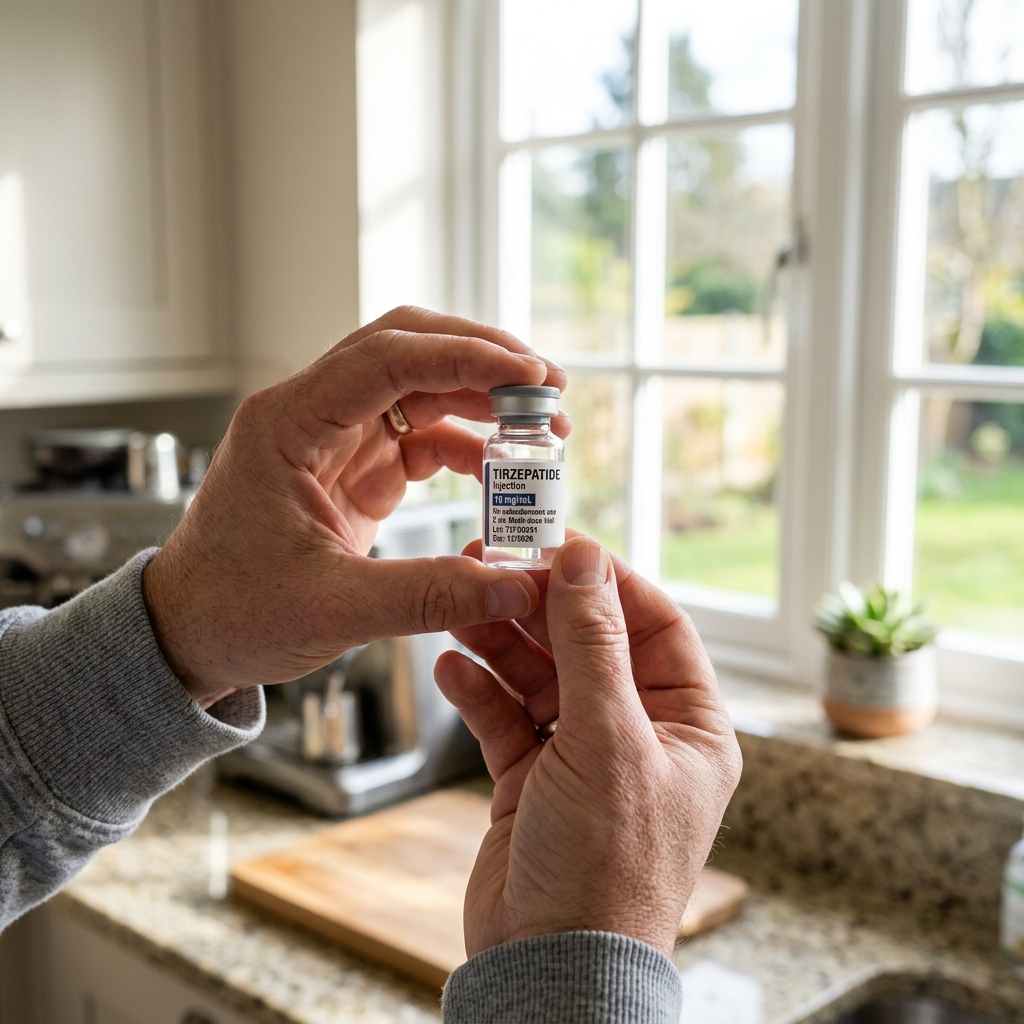
Patients who purchased compounded tirzepatide through online clinics should verify the compounding pharmacy listed on their prescription label. If the label indicates the recalled outsourcing facility, patients should contact their provider immediately for replacement options. Confirming your eligibility and safety protocols through a licensed telehealth provider is simple; you can check if you qualify online.
What Are the Health Risks of Particulate Contamination?
Injecting a compounded peptide containing particulate contamination can lead to serious localized and systemic adverse medical events. If foreign particles enter the subcutaneous tissue during injection, they can trigger a foreign body reaction, resulting in severe pain, redness, swelling, and abscess formation at the injection site. In worst-case scenarios, these localized site reactions can progress to bacterial cellulitis requiring intravenous antibiotics.
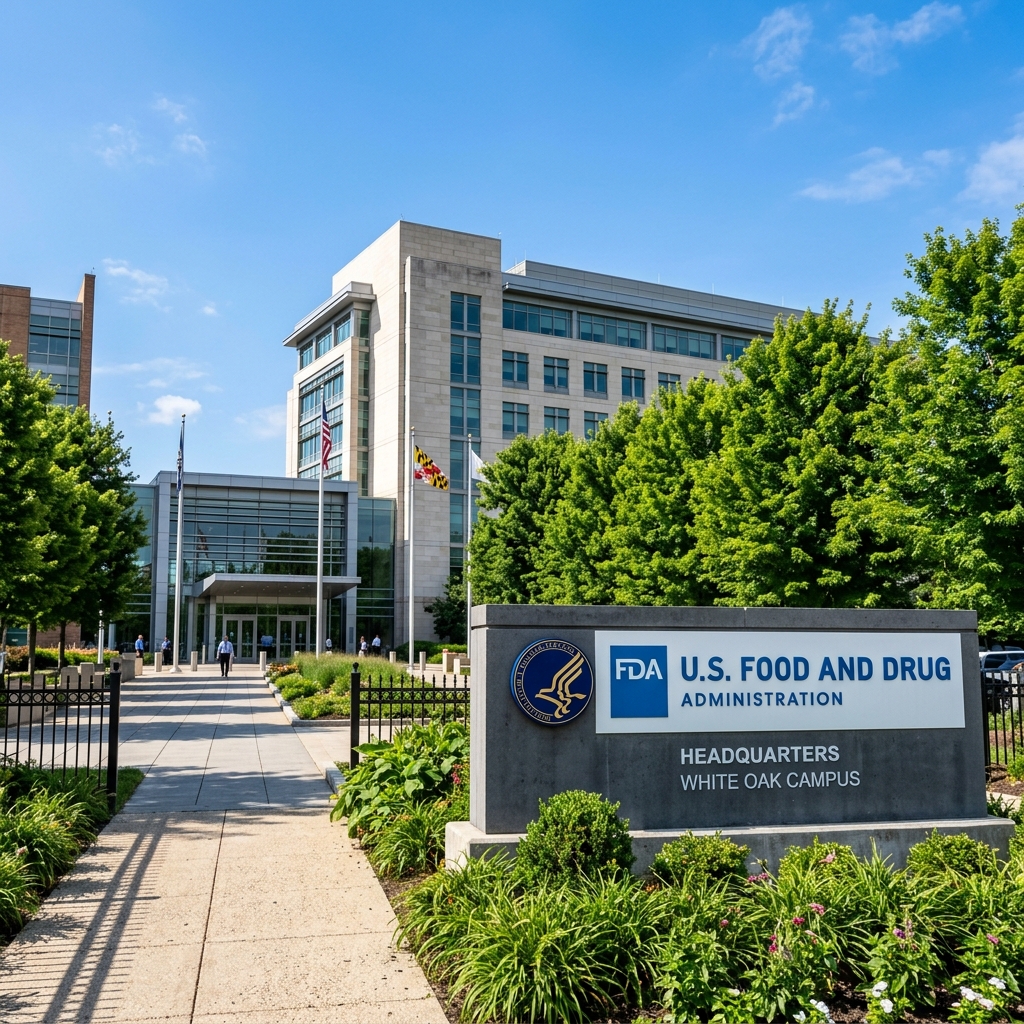
Additionally, if particulate matter accidentally enters the bloodstream, the particles can travel through the vascular system and block microvessels, leading to tissue damage. Foreign particles in the blood can also cause pulmonary emboli or systemic inflammatory response syndrome (SIRS). While no serious adverse events have been confirmed in connection with this specific recall, the potential risks necessitate immediate patient action.
Compare Top Weight Loss Treatments
Select from clinically backed options designed to support long-term metabolic health.
See Pricing OptionsHow Does the FDA Regulate 503B Compounding Pharmacies?
503B compounding pharmacies, also known as outsourcing facilities, are subject to more stringent federal regulations and inspections than traditional 503A state-licensed compounding pharmacies. Under Section 503B of the Food, Drug, and Cosmetic Act, these facilities are permitted to compound large batches of medications on the FDA drug shortage list. In return, they must comply with Current Good Manufacturing Practice (cGMP) regulations and undergo regular FDA inspections.
However, despite these federal standards, compounded medications do not undergo the rigorous pre-market safety, efficacy, and stability testing required for brand-name drugs like Zepbound. The FDA does not review or approve the compounding processes, inactive ingredients, or container materials used in these facilities. This latest recall highlights the ongoing regulatory challenges in overseeing the massive, fast-growing compounded peptide industry.
What Should Patients Do if They Have a Recalled Vial?
Patients who identify a recalled tirzepatide vial should immediately stop using the medication and secure the vial in a safe place. They should contact the clinical provider or pharmacy that dispensed the medication to verify return protocols and arrange for a replacement batch or refund. Vials should not be disposed of in standard trash until instructed by the pharmacy, as they may be required for sterility testing.
It is also critical for patients to report any adverse events or quality issues associated with compounded tirzepatide to the FDA's MedWatch program. Reporting these incidents helps federal regulators track pharmacy performance and identify systemic sterility failures. Moving forward, patients are encouraged to work only with reputable, highly vetted clinical networks that utilize fully accredited compounding facilities.
This article is for informational purposes only and is not medical advice. Consult your healthcare provider before starting any weight loss medication or treatment.
Access Medically Supervised Treatment
Check your clinical eligibility and view affordable pricing packages online.
See Pricing Options
References
- FDA Recalls Database — U.S. Food and Drug Administration. (2026). Recalls, Market Withdrawals, & Safety Alerts: Voluntary Recall of Compounded Tirzepatide Lots. FDA Drug Safety Communications.
- FDA Compounding Guidelines — U.S. Food and Drug Administration. (2026). Compounding and the FDA: Questions and Answers on Outsourcing Facilities. FDA Center for Drug Evaluation and Research.
Related Stories


Disclaimer: This article is for informational purposes only and is not medical advice. Consult your healthcare provider before starting any weight loss medication, peptide protocol, or metabolic therapy.