
- Why is the FDA Reviewing Restricted Peptides This July?
- Which Specific Peptides Will the FDA Committee Evaluate?
- What Role Did Robert F. Kennedy Jr. Play in This Policy Shift?
The FDA Pharmacy Compounding Advisory Committee is reviewing the safety and stability of multiple peptide substances.
The rules governing customized peptide treatments in the United States could soon undergo a major transformation. The FDA Pharmacy Compounding Advisory Committee (PCAC) has scheduled a crucial public meeting for July 23–24, 2026. During these sessions, the committee will evaluate whether to add several popular but restricted peptides to the Section 503A Bulk Drug Substances List.
This regulatory review follows policy updates championed by HHS Secretary Robert F. Kennedy Jr., who has urged the FDA to reconsider bans on compounding these therapeutic molecules. Peptides are short chains of amino acids that act as cellular messengers, and they are widely sought after for muscle repair, gut healing, and cognitive support. The upcoming hearings will determine if compounding pharmacies can legally prepare these customized therapies for patients once again.
Why is the FDA Reviewing Restricted Peptides This July?
The Pharmacy Compounding Advisory Committee will determine whether certain bulk peptide ingredients belong on the Section 503A Bulk Drug Substances List. Under federal law, Section 503A allows licensed pharmacists to compound personalized medications to fit a patient's unique needs. However, pharmacies are restricted to using bulk substances that have official monographs, are parts of approved drugs, or are specifically allowed by the FDA.
In 2023, the FDA placed several popular peptides into Category 2, effectively banning compounding pharmacies from using them. The agency cited concerns over chemical impurities, a lack of large-scale clinical trials, and unestablished safety profiles. This sudden restriction halted the legal compounding of therapies like BPC-157 and KPV, causing significant frustration among patients and integrative healthcare providers.
The upcoming meetings serve as a direct response to formal petitions requesting a re-evaluation of these compounding restrictions. The committee will examine clinical evidence and raw material safety to decide if these substances should return to the active 503A list. If the FDA approves, compounding pharmacies can resume preparing these customized treatments under strict quality standards.
Explore Medical Weight Care Programs
Find clinical options for semaglutide, tirzepatide, and other medical weight loss solutions.
See Pricing OptionsWhich Specific Peptides Will the FDA Committee Evaluate?
The committee has split the two-day review into sessions covering seven distinct peptides. On July 23, 2026, the committee will evaluate BPC-157, KPV, TB-500, and MOTS-c. The following day, July 24, 2026, will focus on Semax, Epitalon, and Emideltide. Each substance has been nominated for specific therapeutic benefits that the panel will review using clinical research.

The first day of hearings focuses on tissue healing and metabolic support. The panel will review BPC-157, a gastric-derived peptide proposed for muscle and gut repair, and KPV, an anti-inflammatory peptide studied for wound healing. They will also evaluate TB-500 for cellular migration and MOTS-c—a mitochondrial peptide that helps regulate metabolism, energy balance, and bone density.
The second day focuses on brain health and sleep regulation. The committee will review Semax, a synthetic peptide proposed for stroke recovery and nerve pain, and Epitalon, which is studied for chronic sleep disorders. Finally, they will evaluate Emideltide, a sleep-inducing peptide proposed for insomnia, narcolepsy, and support during opioid withdrawal.
What Role Did Robert F. Kennedy Jr. Play in This Policy Shift?
HHS Secretary Robert F. Kennedy Jr. has actively influenced this sudden acceleration of the FDA's peptide review. Since taking office, Kennedy has openly questioned federal restrictions on compounding peptides and other alternative therapies. He has argued that the 2023 compounding ban lacked sufficient safety warnings to justify blocking access for patients.
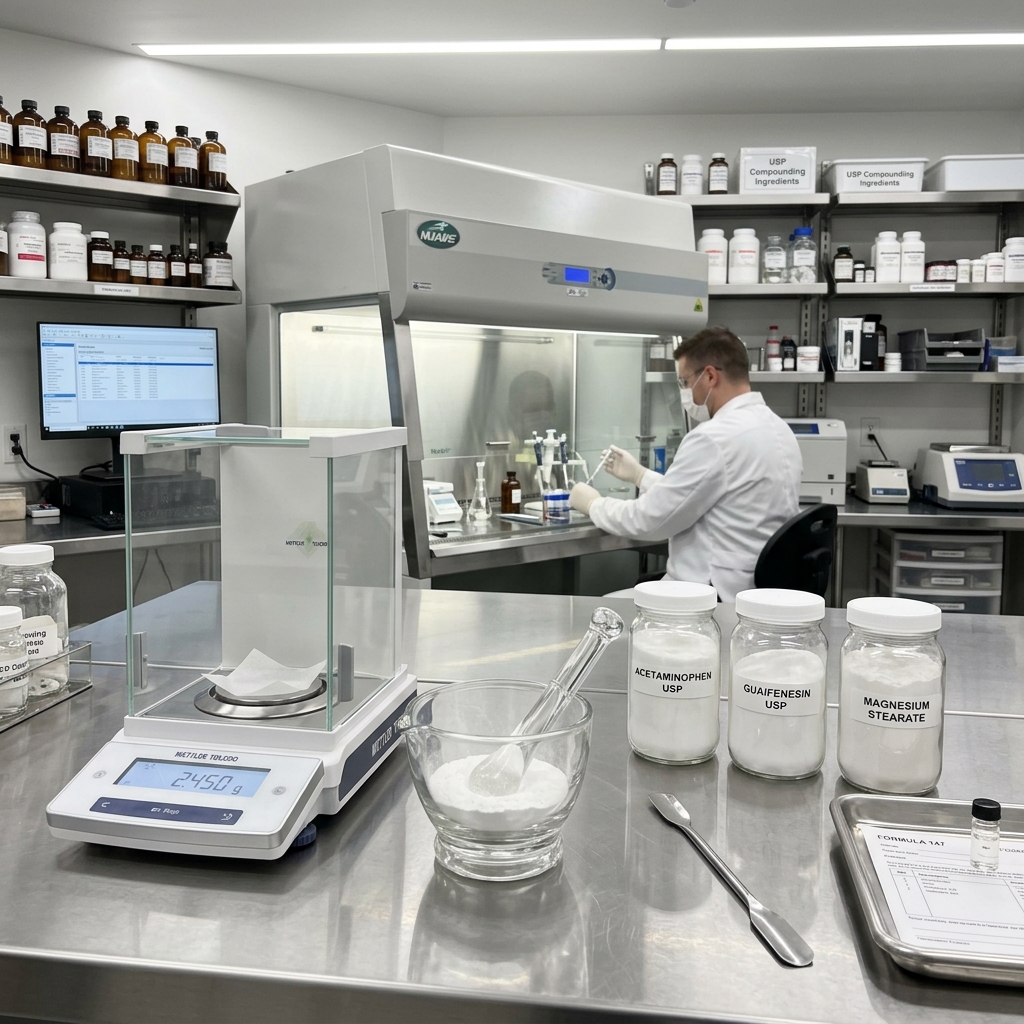
A primary concern for the Secretary is that compounding bans do not stop patient demand, but instead push people toward risky gray-market websites. The HHS argues that allowing licensed, sterile compounding pharmacies to prepare these treatments under medical supervision is far safer for public health. Under Kennedy's direction, the HHS urged the FDA to expedite these hearings and review the restricted substances.
While Secretary Kennedy cannot change drug regulations on his own, his policy priorities have reshaped the FDA's timeline. By pushing the agency to schedule these public meetings, the administration is forcing a scientific debate on peptide safety. Advocates are hopeful that this shift will lead to a more permissive environment for customized therapies.
Compare Top Weight Loss Treatments
Select from clinically backed options designed to support long-term metabolic health.
See Pricing OptionsHow Does the 503A Bulks List Differ From Full FDA Approval?
Patients must understand the difference between a substance being on the 503A Bulks List and receiving full FDA approval. FDA approval requires pharmaceutical manufacturers to conduct extensive clinical trials demonstrating safety and effectiveness for a specific condition. This process is required for all standard commercial drugs.
For example, patients using semaglutide treatment programs or tirzepatide options take fully approved medications, or approved alternatives compounded during shortages. To explore if you qualify for these established weight-loss options, you can check if you qualify and view current pricing. In contrast, being on the 503A list simply allows pharmacies to prepare customized versions of a drug for individual prescriptions.
These compounded products remain unapproved new drugs, meaning they do not carry standard FDA labeling or guaranteed safety profiles. While established options like sermorelin therapy have been compounded legally for years, adding peptides like BPC-157 would significantly expand the compounding options. Healthcare providers must continue to use clinical judgment to determine if a compounded drug is necessary for a patient.
What Are the Next Steps in the Federal Rulemaking Process?
The July hearings are just the initial step in a lengthy regulatory process. The Pharmacy Compounding Advisory Committee does not have the authority to change the law directly; it only provides scientific recommendations to the FDA Commissioner. Once the committee votes on each peptide, they will submit their formal recommendations to the agency.
If the committee supports a peptide, the FDA must then initiate the official administrative rulemaking process. This requires publishing a proposed rule in the Federal Register and allowing the public to submit feedback, a process that can take many months. Until a final rule is officially published, compounding these seven peptides remains restricted under current laws.
Additionally, the FDA plans to hold another committee meeting before February 2027 to evaluate a second group of peptides. This next round will review popular compounds like GHK-Cu, Melanotan II, Cathelicidin (LL-37), Dihexa, and PEG-MGF. Patients and providers should watch these meetings closely, as the outcomes will define the future of peptide medicine in the US.
This article is for informational purposes only and is not medical advice. Consult your healthcare provider before starting any weight loss medication or treatment.
Access Medically Supervised Treatment
Check your clinical eligibility and view affordable pricing packages online.
See Pricing Options
References
- FDA Advisory Committee Calendar — FDA Advisory Committee Calendar
- Federal Register Notice — Federal Register Notice
Related Stories


Disclaimer: This article is for informational purposes only and is not medical advice. Consult your healthcare provider before starting any weight loss medication, peptide protocol, or metabolic therapy.