
- A Lancet trial showed daily oral orforglipron (Foundayo) achieved 14.2% weight loss, compared to 10.1% for standard oral semaglutide.
- Unlike oral semaglutide, Foundayo has no strict food or water restrictions, allowing patients to take it anytime.
- Foundayo is a non-peptide small molecule, which allows for faster absorption and potentially lower manufacturing costs.
The ACHIEVE-3 trial compared daily oral formulations of Foundayo and semaglutide.
The medical weight care landscape is shifting rapidly as daily oral GLP-1 receptor agonists (pills that mimic fullness hormones) rise to challenge weekly injections. A landmark clinical trial published in The Lancet presents the first direct, head-to-head comparison of two major oral options. The ACHIEVE-3 trial compared Eli Lilly's orforglipron (Foundayo) against Novo Nordisk's oral semaglutide (Rybelsus), giving patients and doctors valuable data on how these oral options perform.
Both medications offer a needle-free alternative for weight management, which is highly appealing to patients who dislike injections. The trial results reveal distinct differences in weight loss, blood sugar control, and how the medications are taken.
Understanding the ACHIEVE-3 Trial Design
The ACHIEVE-3 trial was a 52-week study involving 1,420 adults with type 2 diabetes and overweight or obesity. The research team compared daily oral orforglipron (dosed at 36 mg or 45 mg) against daily oral semaglutide (dosed at 14 mg, alongside a higher 50 mg group). Participants' average age was 58, with a baseline body mass index (BMI) of 34.2 and an A1c of 8.3%.
Unlike weekly injectables like semaglutide or tirzepatide, both treatments in this trial required daily oral pills. The researchers tracked how well patients adhered to these daily routines and measured how each drug was absorbed by the body.
Explore Medical Weight Care Programs
Find clinical options for semaglutide, tirzepatide, and other medical weight loss solutions.
See Pricing OptionsEfficacy Results: Weight Loss and Glycemic Control
The trial met its primary goals, showing that a 45 mg daily dose of Foundayo was superior to standard 14 mg oral semaglutide in both weight loss and blood sugar control. Patients taking Foundayo lost an average of 14.2% of their body weight, compared to 10.1% for those on oral semaglutide 14 mg. Foundayo also reduced A1c levels by 2.1 percentage points, compared to 1.5 points for oral semaglutide.

However, when compared to a higher investigational 50 mg dose of oral semaglutide, the results were much closer. The 50 mg semaglutide dose achieved a 13.8% weight loss and a 2.0-point A1c drop. This indicates that dosage strength is a key factor in how well these daily pills perform for patients.
Tolerability and Adverse Events Comparison
Both medications showed side effects typical of the GLP-1 class, with mild to moderate stomach issues like nausea, diarrhea, and vomiting being the most common. These symptoms were most frequent during the early weeks as patients gradually increased their doses. The study revealed subtle differences in how patients tolerated each drug during titration.
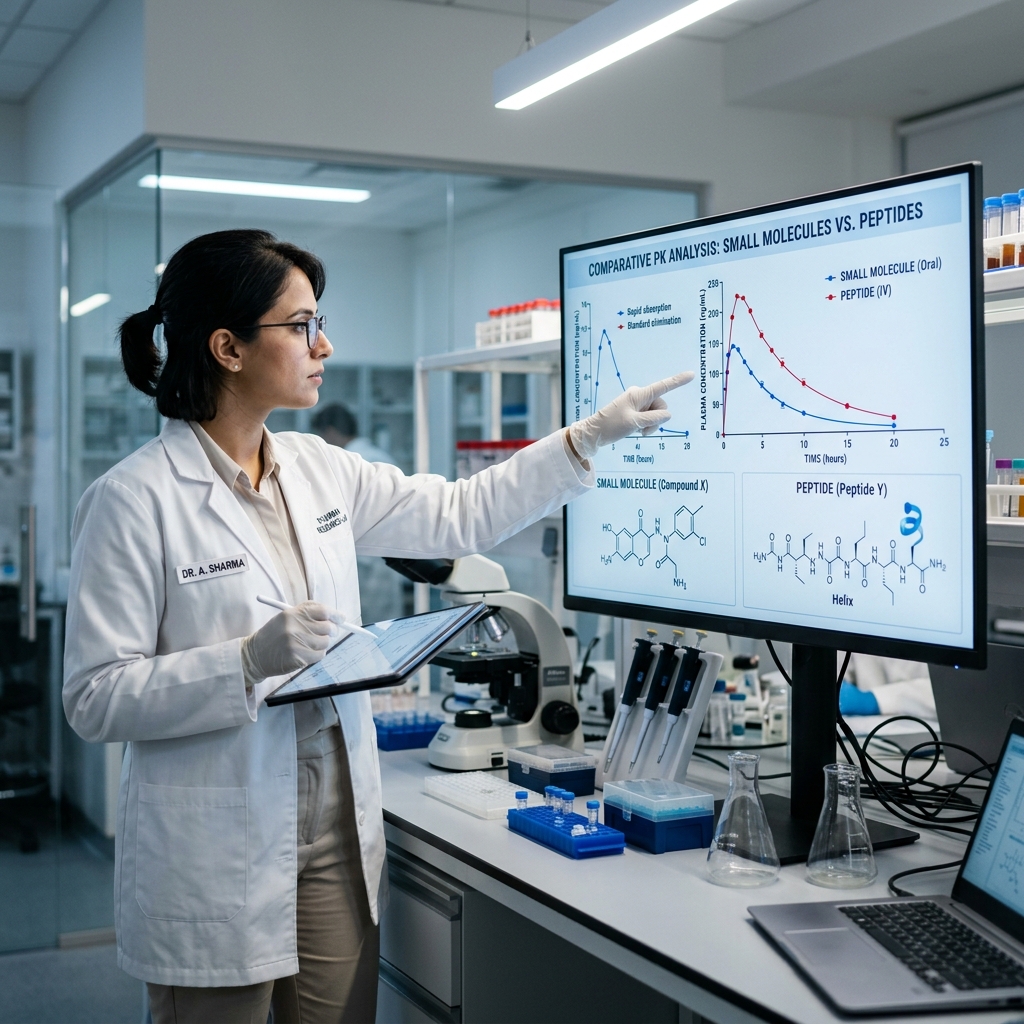
For the Foundayo group, nausea was reported by 42% of patients, compared to 36% in the standard oral semaglutide group. Discontinuation rates were slightly higher for Foundayo at 9.2% versus 7.1% for semaglutide. Because Foundayo is a small molecule, it is absorbed rapidly, which may cause temporary peaks in blood levels that trigger nausea.
Compare Top Weight Loss Treatments
Select from clinically backed options designed to support long-term metabolic health.
See Pricing OptionsClinical Implications for Daily Administration
The most significant practical difference between these two pills is how they must be taken. Oral semaglutide has strict rules: it must be taken first thing in the morning on an empty stomach with a small sip of water, and patients must wait 30 minutes before eating or taking other pills. Foundayo has no such rules and can be taken at any time, with or without food or water.
This lack of restrictions resulted in higher satisfaction scores for Foundayo, as it easily fits into busy schedules. For patients taking multiple morning medications, Foundayo represents a highly convenient alternative. To explore your options for oral weight care, you can check their eligibility or review metabolic program options online.
Future Outlook and Marketplace Dynamics
The ACHIEVE-3 trial marks the start of a competitive era for oral metabolic treatments, with insurers and pharmacy benefit managers now deciding on coverage and co-pays. Because small-molecule drugs like Foundayo are easier to manufacture than complex peptides, they may eventually be cheaper to produce. This could lead to lower retail prices and broader global access for patients.
While weekly injections remain the strongest option for maximum weight loss, daily oral pills offer a flexible, needle-free alternative. As long-term safety data grows, oral GLP-1s will make metabolic care more accessible for diverse populations. Working with your doctor is the best way to choose the right treatment format for your lifestyle.
This article is for informational purposes only and is not medical advice. Consult your healthcare provider before starting any weight loss medication or treatment.
Access Medically Supervised Treatment
Check your clinical eligibility and view affordable pricing packages online.
See Pricing Options
References
- Amara, S., et al. (2026). Efficacy and safety of once-daily oral orforglipron compared with oral semaglutide in adults with type 2 diabetes (ACHIEVE-3): a multinational, multicentre, non-inferiority, open-label, randomised, phase 3 trial. The Lancet, 407(10534), 1147–1160. The Lancet (10.1016/S0140-6736(26)00202-3)
- ClinicalTrials.gov. (2023). A Study of Orforglipron (LY3502936) in Participants With Obesity or Overweight (ACHIEVE-3). ClinicalTrials.gov Identifier: NCT05869324. ClinicalTrials.gov (NCT05869324)
Related Stories


Disclaimer: This article is for informational purposes only and is not medical advice. Consult your healthcare provider before starting any weight loss medication, peptide protocol, or metabolic therapy.