
- A May 2026 Nature study maps how oral, small-molecule GLP-1 drugs engage deep hindbrain-amygdala reward circuits.
- By reducing dopamine release in key brain hubs, GLP-1 medications can lower cravings but may also cause temporary emotional blunting.
- Understanding these brain pathways helps researchers design future treatments that target appetite without affecting emotional health.
New research maps how GLP-1 drugs engage deep-brain reward circuits.
A study published in Nature in May 2026 has mapped the neural pathways through which GLP-1 drugs act on the brain's reward system. Led by University of Virginia neuroscientist Ali D. Güler, the research explains why these medications are so effective at curbing cravings. It also offers a neurobiological explanation for the "emotional blunting" or flattening of mood that some patients report while taking semaglutide or tirzepatide.
By mapping this hindbrain-amygdala-dopamine circuit, scientists are gaining a clearer picture of how obesity treatments alter human behavior. These insights could help clinicians better support patients managing both metabolic changes and mood shifts.
How GLP-1 Drugs Reach Deep-Brain Reward Centers
While traditional injectable peptides act on the hypothalamus to manage basic hunger, this study shows that newer oral, small-molecule GLP-1 drugs can penetrate much deeper into the brain. Because these molecules are smaller, they cross the blood-brain barrier more easily and target regions that regulate pleasure and motivation.
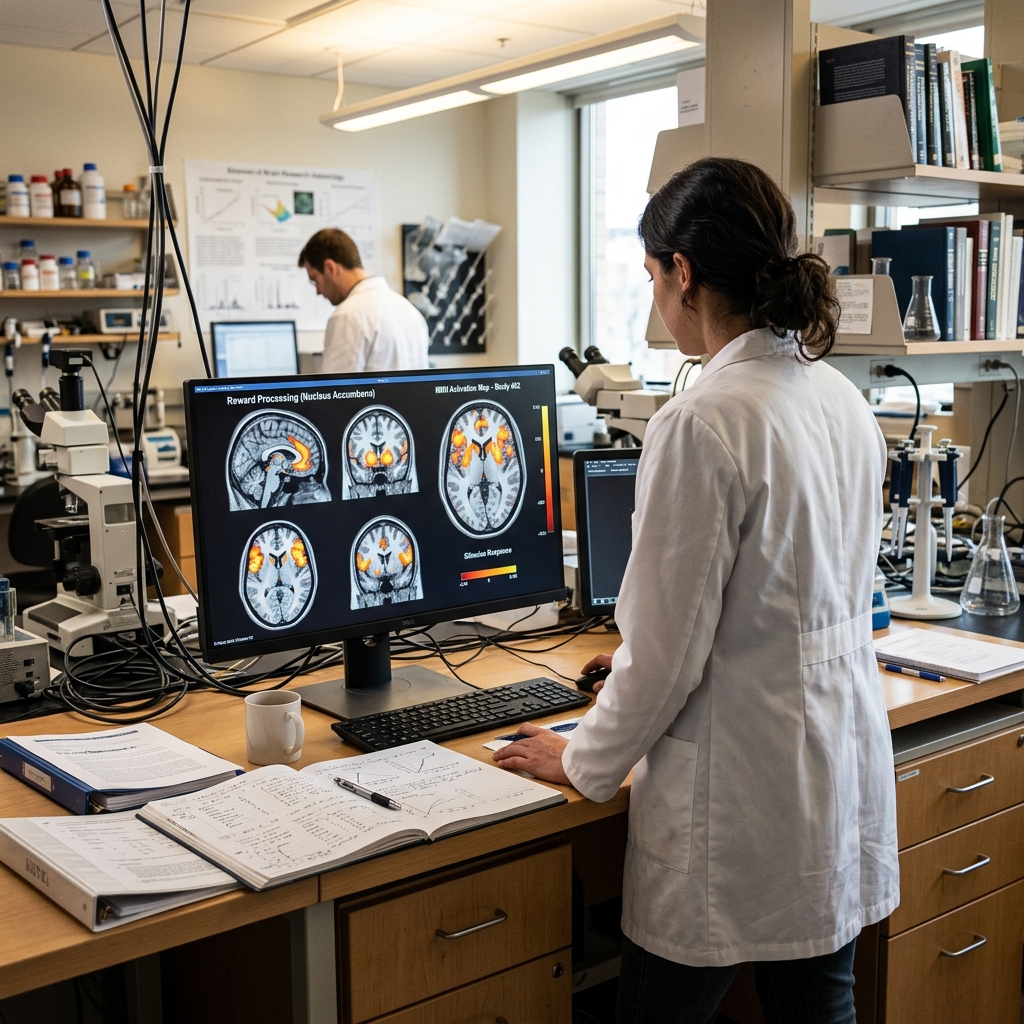
Specifically, the research team identified a pathway connecting the hindbrain to the central amygdala, which regulates emotion and desire. Activating this pathway reduces dopamine (the brain's reward chemical) release in key hubs like the nucleus accumbens. This mechanism turns down the dial on "hedonic eating"—the urge to eat for pleasure rather than physical hunger.
Explore Medical Weight Care Programs
Find clinical options for semaglutide, tirzepatide, and other medical weight loss solutions.
See Pricing OptionsThe Neuroscience Behind Emotional Blunting
Because these dopamine pathways control general motivation and pleasure, dampening them to reduce food cravings can sometimes affect how patients experience other rewards. This explains why some users report a feeling of emotional flatness, reduced interest in hobbies, or a sense of being on "autopilot."

However, clinical experts emphasize that this emotional dampening is not a universal side effect. Many patients actually report improvements in mood, likely because losing weight, reducing "food noise," and improving metabolic health boost overall well-being. The emotional impact of these medications appears to be highly individual.
Implications for Alcohol, Nicotine, and Substance Use
Because the drugs act on general reward pathways, researchers are highly interested in using GLP-1s to treat addiction. Preclinical studies show these medications can reduce alcohol intake and smoking in animal models. Observational data in humans has shown similar trends, with patients reporting fewer cravings for alcohol and nicotine while taking GLP-1s.
Scientists believe that by lowering dopamine signaling in the brain's reward hubs, the reinforcing pleasure of addictive substances is weakened. While these results are promising, these medications are not FDA-approved for addiction treatment, and patients should not use them off-label for this purpose without medical supervision.
Compare Top Weight Loss Treatments
Select from clinically backed options designed to support long-term metabolic health.
See Pricing OptionsClinical Considerations and Patient Guidance
These findings do not mean you should stop taking your medication, but they do highlight the importance of monitoring your mental health. If you notice persistent changes in your mood or motivation, discuss them with your doctor. Many providers now screen for emotional changes and can adjust your dose to help manage these side effects.
Understanding that these brain changes are biological and often dose-dependent can help you navigate your weight care journey with confidence. If you want to start a supervised program, you can check if you qualify or view current pricing for available treatments.
What This Means for the Future of GLP-1 Research
The UVA study represents a major advance in understanding how GLP-1 drugs interact with the brain. Researchers are now looking at whether emotional side effects differ between injectable peptides and oral small molecules, given their differing brain penetration. Future studies aim to design treatments that suppress appetite without causing emotional flatness.
Additionally, clinical trials are being planned to test GLP-1 agonists as therapies for alcohol and nicotine dependence. This work could expand the clinical use of these medications far beyond metabolic health. Patients should stay tuned for these exciting developments as the science of receptor agonists continues to evolve.
This article is for informational purposes only and is not medical advice. Consult your healthcare provider before starting any weight loss medication or treatment.
Access Medically Supervised Treatment
Check your clinical eligibility and view affordable pricing packages online.
See Pricing Options
References
- Güler, A. D., et al. (2026). A brain reward circuit inhibited by next-generation weight-loss drugs in mice. Nature, 642(8010), 120-131. Nature (10.1038/s41586-026-10444-4)
Related Stories


Disclaimer: This article is for informational purposes only and is not medical advice. Consult your healthcare provider before starting any weight loss medication, peptide protocol, or metabolic therapy.