
- A BMJ study of 600,000+ veterans linked GLP-1 use to an 18-25% lower risk of developing new substance use disorders.
- Veterans with existing addiction issues showed 50% lower mortality and 39% fewer overdoses while taking GLP-1 drugs.
- The medications also associated with a 25% lower risk of suicidal thoughts, adding to evidence of mental health safety.
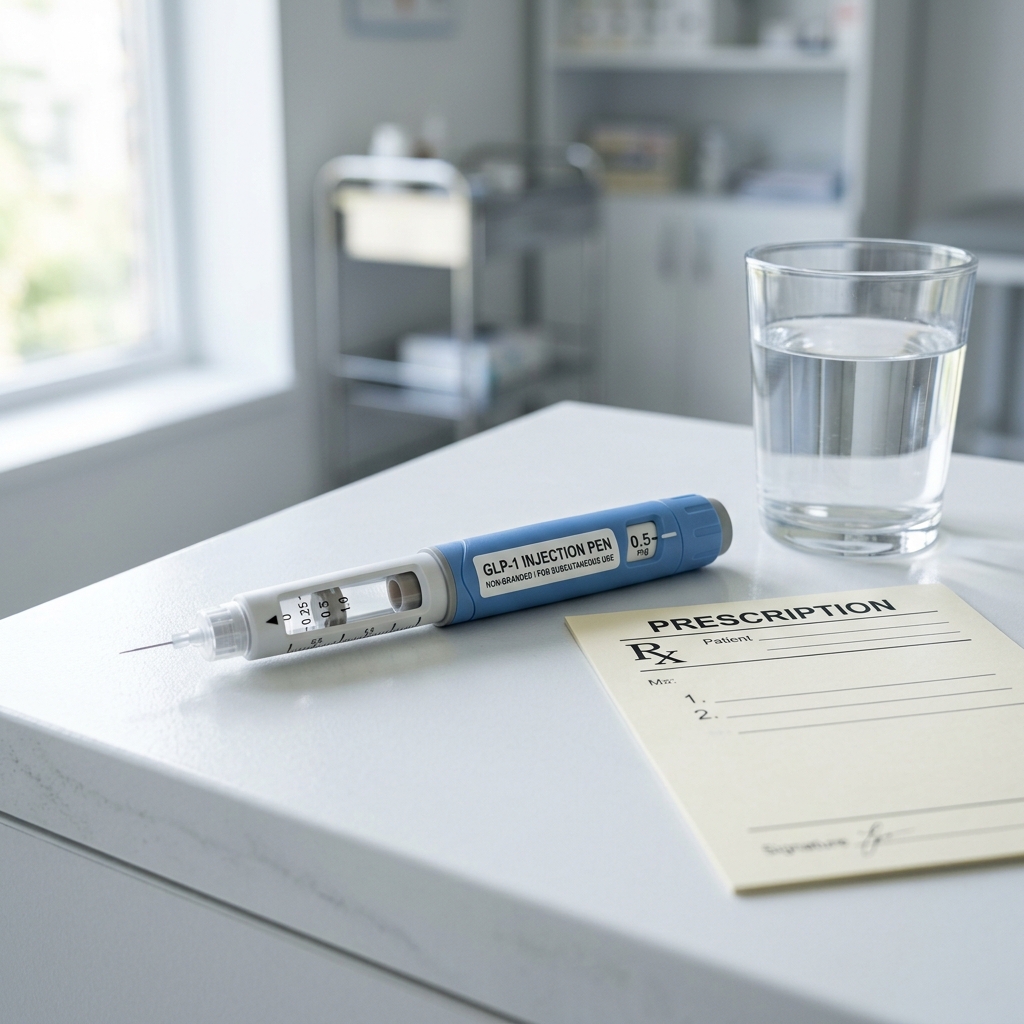
A large BMJ study examined GLP-1 medication outcomes across 600,000 veterans.
A massive observational study published in The BMJ in March 2026 suggests that GLP-1 receptor agonists (medications that mimic fullness hormones) may help protect against substance abuse and self-harm. Analyzing data from over 600,000 U.S. veterans with type 2 diabetes, researchers at Washington University in St. Louis found that patients taking these drugs had a significantly lower risk of addiction, drug overdoses, and suicidal thoughts.
Led by Dr. Ziyad Al-Aly, the study is the largest to date investigating how GLP-1s affect psychiatric and behavioral health. While the results are promising, experts note that observational studies cannot prove a direct cause-and-effect relationship.
Study Design and Veteran Population
The research team compared veterans initiating GLP-1 therapies, like semaglutide, against those starting SGLT-2 inhibitors (a different class of diabetes drugs that do not affect the brain's reward centers). SGLT-2 inhibitors served as an active comparator to isolate the specific brain effects of GLP-1 medications.
The study looked at two distinct groups: veterans with no history of addiction to see if the drugs prevented substance abuse, and veterans with existing substance use disorders to measure therapeutic benefits. This dual-focus design is highly relevant for the veteran population, which faces elevated rates of mental health challenges and addiction.
Explore Medical Weight Care Programs
Find clinical options for semaglutide, tirzepatide, and other medical weight loss solutions.
See Pricing OptionsReduced Risk of New Substance Use Disorders
Among veterans with no history of addiction, those starting GLP-1 therapies had a significantly lower risk of developing new substance use disorders compared to the comparator group. The risk reductions spanned several major categories of addiction:
- Opioid use disorder: 25% lower risk of developing an addiction.
- Cocaine and nicotine use disorders: 20% lower risk.
- Alcohol use disorder: 18% lower risk.
- Cannabis use disorder: 14% lower risk.
These findings were consistent across different GLP-1 drugs, suggesting a common biological effect on how the brain processes cravings. If you want to see if these treatments fit your health profile, you can check if you qualify online.
Outcomes for Veterans with Existing Substance Use Disorders
For veterans who already had an active addiction, starting GLP-1 therapy was associated with life-saving clinical improvements. Compared to those taking SGLT-2 inhibitors, veterans taking GLP-1 agonists showed:
- A 50% lower risk of substance-related mortality (death).
- A 39% reduction in drug overdose events.
- A 31% drop in emergency room visits and a 26% decrease in hospitalizations.
- A 25% lower risk of suicidal thoughts or self-harm attempts.
The decrease in suicidal ideation is especially reassuring, as earlier safety reviews by the FDA and EMA concluded that GLP-1 medications do not cause self-harm. This data suggests that by improving metabolic health and reducing cravings, the drugs may actually support mental well-being.
Compare Top Weight Loss Treatments
Select from clinically backed options designed to support long-term metabolic health.
See Pricing OptionsProposed Biological Mechanism and Expert Context
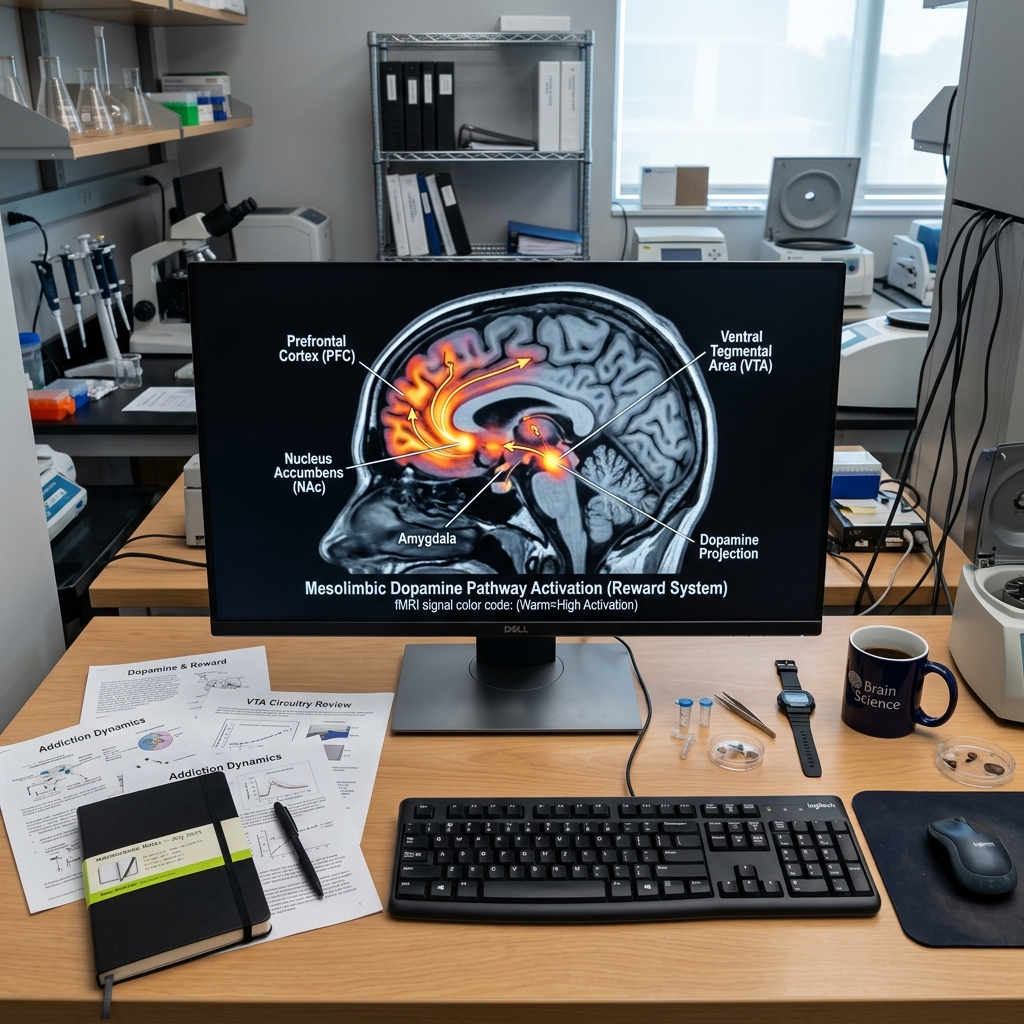
Scientists believe GLP-1 medications work by acting on the brain's mesolimbic dopamine system, the core pathway that regulates reward, motivation, and cravings. By dampening dopamine spikes, the drugs may reduce the urge to seek out addictive substances, similar to how they quiet "food noise" in patients taking semaglutide and tirzepatide.
However, independent experts emphasize that these findings are preliminary and require randomized controlled trials to confirm. While the results are encouraging, patients should not use GLP-1 drugs off-label for addiction without a doctor's supervision. To explore current approved uses for weight care, you can view current pricing for structured programs.
Limitations and the Path Forward
The study has several limitations, notably its older, mostly male veteran population, which may not represent younger adults or women. Because this was an observational study using electronic health records, it cannot definitively prove that GLP-1s caused the reductions in substance abuse. Residual factors like varying access to mental healthcare could also affect the results.
To address these questions, several randomized clinical trials are currently underway to test if receptor agonists can be repurposed for addiction care. As researchers continue to study these pathways, patients are advised to use approved metabolic therapies under clinical supervision. Working with a doctor is the best way to ensure your safety and success.
This article is for informational purposes only and is not medical advice. Consult your healthcare provider before starting any weight loss medication or treatment.
Access Medically Supervised Treatment
Check your clinical eligibility and view affordable pricing packages online.
See Pricing Options
References
- Cai, M., et al. (2026). Glucagon-like peptide-1 receptor agonists and risk of substance use disorders among US veterans with type 2 diabetes: cohort study. The BMJ, 392, e086886. The BMJ (10.1136/bmj-2025-086886)
Related Stories


Disclaimer: This article is for informational purposes only and is not medical advice. Consult your healthcare provider before starting any weight loss medication, peptide protocol, or metabolic therapy.