
- The viral trend of GLP-1 microdosing involves taking sub-therapeutic doses for gentle appetite control or longevity.
- Obesity specialists emphasize that no clinical trial has validated the safety or efficacy of sub-therapeutic GLP-1 dosing.
- Microdosing carries risks of dosage errors from 'click-counting' and may cause paradoxical gastrointestinal side effects.
Social media has become a primary driver of interest in unapproved GLP-1 dosing practices.
A viral trend known as "microdosing" GLP-1 drugs is sweeping through social media and biohacking forums. Proponents claim that taking sub-therapeutic (very low) amounts of medications like semaglutide and tirzepatide can quiet "food noise" and boost longevity while avoiding side effects. However, endocrinologists and obesity specialists warn that this practice lacks any clinical trial support and could expose patients to unexpected health risks.
Influencers often promote this approach as a custom, gentle way to manage metabolic health. But because these medications are powerful hormones that act on multiple organ systems, self-prescribing arbitrary doses is clinically discouraged.
What Is GLP-1 Microdosing?
Unlike standard medical guidelines that gradually increase doses to active therapeutic levels, microdosing means intentionally staying at a fraction of the starting dose. According to reports from the Cleveland Clinic, patients often use unapproved "click-counting" methods on injection pens or buy low-concentration compounded formulas from online wellness platforms.
Supporters of this trend claim it offers several key benefits:
- Suppressing appetite and cravings without committing to a full clinical dose.
- Avoiding common stomach side effects like nausea and vomiting.
- Stretching out their medication supply to save money.
- Speculative claims about reducing inflammation or extending lifespan.
Obesity medicine specialists point out that "microdosing" is a user-generated term with no backing in clinical pharmacology. Standard medical plans are already designed to escalate doses slowly to keep patients comfortable.
Explore Medical Weight Care Programs
Find clinical options for semaglutide, tirzepatide, and other medical weight loss solutions.
See Pricing OptionsNo Randomized Trial Data Supports the Practice
Clinicians emphasize that no randomized controlled trial has ever tested sub-therapeutic GLP-1 doses for weight loss or general wellness. The proven benefits of semaglutide and tirzepatide were demonstrated using specific, FDA-approved dose ranges in patients with diagnosed obesity or type 2 diabetes. Lowering the dose below these thresholds may render the medication ineffective.

Starting doses are intended to help your body adapt to the hormone, not to deliver long-term weight management. Using sub-therapeutic doses means you may miss out on the metabolic and cardiovascular benefits proven in large clinical trials. To explore clinically proven treatment pathways, you can check if they qualify for a supervised program.
Clinicians Flag Real Safety Concerns
Taking sub-therapeutic doses of GLP-1 receptor agonists is not a shortcut to safety, as these potent medications carry real risks even at low levels. The relationship between dose size and side effects is not always linear, and low doses can still cause complications:
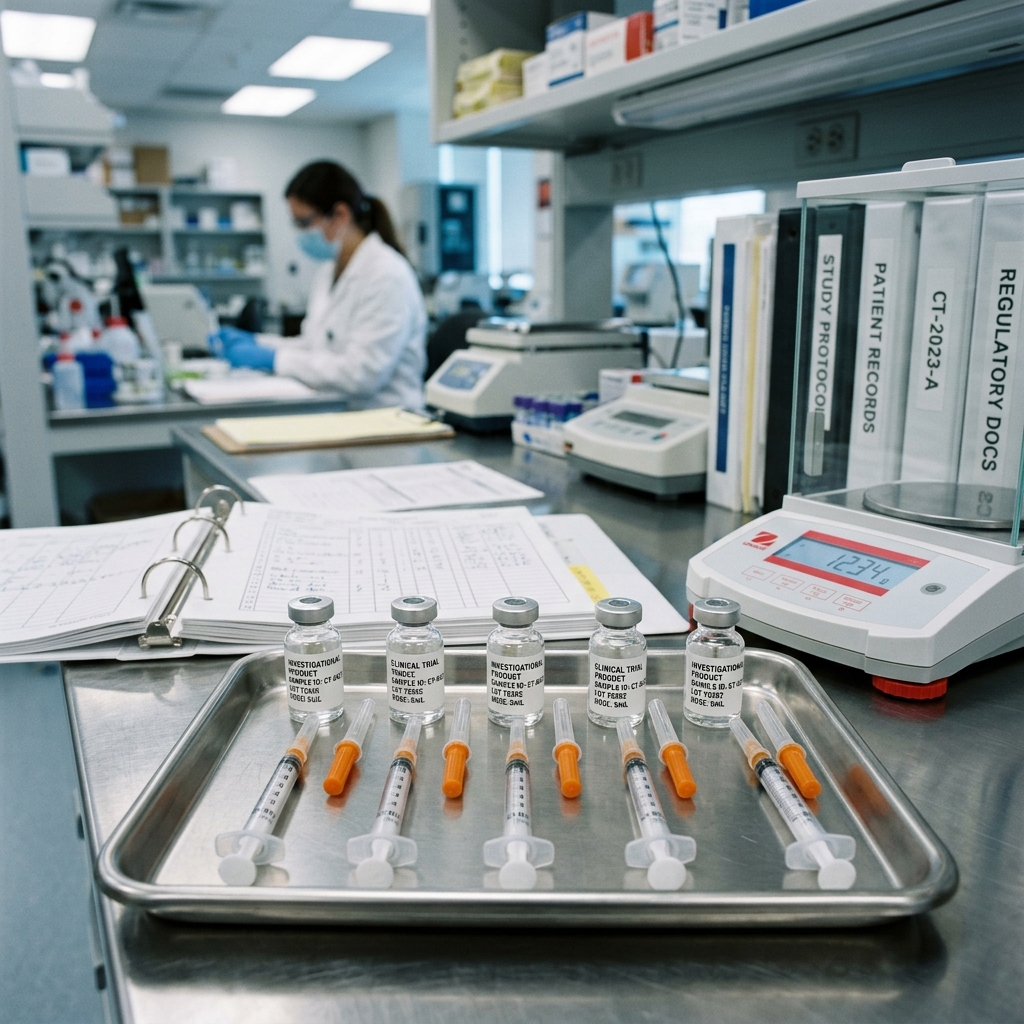
- Dosing inaccuracy: Counting pen clicks or using compounded alternatives increases the risk of dosing errors and contamination.
- Serious risks: Conditions like gallbladder disease, pancreatitis, and gastroparesis can still occur at low doses.
- Paradoxical side effects: Irregular, low doses can prevent the body from adapting, causing stomach side effects to return when doses fluctuate.
Additionally, patients who microdose may fail to address the underlying lifestyle and nutritional changes needed for sustainable weight care. Managing obesity requires a comprehensive treatment plan, not just appetite suppression.
Compare Top Weight Loss Treatments
Select from clinically backed options designed to support long-term metabolic health.
See Pricing OptionsSURMOUNT-MAINTAIN Adds Nuance, Not Validation
Some microdosing advocates point to Eli Lilly's SURMOUNT-MAINTAIN trial, published in The Lancet, to justify their low-dose protocols. However, clinicians state that this misinterprets the study's design. The trial showed that patients who achieved significant weight loss on maximum doses could maintain a portion of that progress by stepping down to a 5 mg dose. Key data points included:
- Maximum dose (10/15 mg) group: Maintained a 21.9% weight reduction at week 112.
- Step-down (5 mg) group: Maintained a 16.6% weight reduction.
- Placebo group: Weight loss dropped back to 9.9%.
Critically, 5 mg is still an FDA-approved therapeutic dose, not a sub-therapeutic "microdose." Stepping down to maintain progress under a doctor's care is completely different from self-prescribing arbitrary low doses.
Social Media's Outsized Role in Medication Trends
The popularity of microdosing highlights how social media platforms can drive risky medical trends. Online influencers often present personal testimonials as scientific fact, bypassing the clinical context needed for safety. In response, the FDA has cracked down on wellness clinics selling compounded peptides that do not meet strict safety standards.
Medical groups like the Obesity Action Coalition remind patients that GLP-1s are serious medications, not wellness supplements. If you are experiencing side effects or cost barriers, work with a licensed doctor to adjust your dose safely. To learn more about approved options and transparent pricing, you can view current pricing details online.
This article is for informational purposes only and is not medical advice. Consult your healthcare provider before starting any weight loss medication or treatment.
Access Medically Supervised Treatment
Check your clinical eligibility and view affordable pricing packages online.
See Pricing Options
References
- Horn, D. B., Aronne, L. J., et al. (2026). Tirzepatide for maintenance of bodyweight reduction in people with obesity in the USA (SURMOUNT-MAINTAIN): a multicentre, double-blind, randomised, placebo-controlled trial. The Lancet, 407(10542), 1120-1132. The Lancet (10.1016/S0140-6736(26)00656-2)
- ClinicalTrials.gov. (2026). A Study of Tirzepatide for Maintenance of Weight Loss (SURMOUNT-MAINTAIN). ClinicalTrials.gov Identifier: NCT06047548. ClinicalTrials.gov (NCT06047548)
Related Stories


Disclaimer: This article is for informational purposes only and is not medical advice. Consult your healthcare provider before starting any weight loss medication, peptide protocol, or metabolic therapy.