
- What Are Sialidase Inhibitors and How Do They Protect Glycans?
- How Does Glycan Degradation Drive Neuroinflammation?
- What Did the Northwestern Preclinical Models Demonstrate?
Northwestern University researchers investigated the potential of sialidase inhibitors to protect brain cells from cognitive decline.
Could common flu medicines help protect your brain from aging? A landmark study published on June 5, 2026, in the journal Med suggests that sialidase inhibitors—drugs used to treat influenza—could significantly reduce cognitive decline and brain inflammation. Northwestern University researchers discovered that these drugs help preserve protective sugar molecules, called glycans, on the surface of our cells. This protective effect opens up a promising new way to combat memory loss and biological aging.
Led by Dr. Mohamed Abdel-Mohsen, the team studied the chemical pathways that cause our cells to age prematurely. Although they focused on patients with HIV, the mechanisms they identified could apply to vascular dementia and Alzheimer's disease. By protecting cellular sugars from breaking down, the researchers successfully shielded brain function in animal models. This discovery marks a major step forward in the field of glyco-immunology, which studies how cell sugars affect the immune system.
While these results are exciting, the researchers emphasize that this is a preclinical proof of concept. Although flu drugs like oseltamivir (Tamiflu) worked in animal models, human clinical trials must prove they are safe and effective for brain health. However, the study confirms that protecting the body's glycan coat is a promising target for reducing chronic inflammation. This target could eventually help slow down physical and mental decline as we age.
What Are Sialidase Inhibitors and How Do They Protect Glycans?
Sialidase inhibitors are common antiviral drugs designed to treat and prevent the flu. When you catch the flu, the virus uses an enzyme called sialidase to break free from your cells and spread. By blocking this enzyme, drugs like oseltamivir stop the virus in its tracks. This limits the infection and helps you recover faster from flu symptoms.
The Northwestern team looked beyond viral infections to study the body's natural enzymes. Human cells produce their own sialidase enzymes, which help regulate cellular communication by pruning sialic acid, a sugar molecule, from cell surfaces. This pruning is normally balanced, but chronic infection and aging can cause these enzymes to go into overdrive. When they become hyperactive, they strip away too many protective glycans, leaving cells vulnerable to damage.
Glycans act as a protective sugar shield on our cells, keeping them structurally sound and regulating the immune system. When hyperactive enzymes strip this shield away, the exposed cells become dysfunctional and trigger inflammation. By using sialidase inhibitors, the researchers blocked this destructive pruning process. This treatment successfully protected the glycan shield and prevented the cellular damage associated with aging.
Explore Medical Weight Care Programs
Find clinical options for semaglutide, tirzepatide, and other medical weight loss solutions.
See Pricing OptionsHow Does Glycan Degradation Drive Neuroinflammation?
To connect the dots between flu drugs and brain health, scientists studied how losing cell sugars triggers inflammation. Stripping away sialic acid is a major marker of 'inflammaging'—a state of chronic, low-grade inflammation that accelerates aging. When your cells lose their protective sugars, your immune system mistakenly stays activated. This continuous, low-level immune response slowly damages healthy tissues over time.
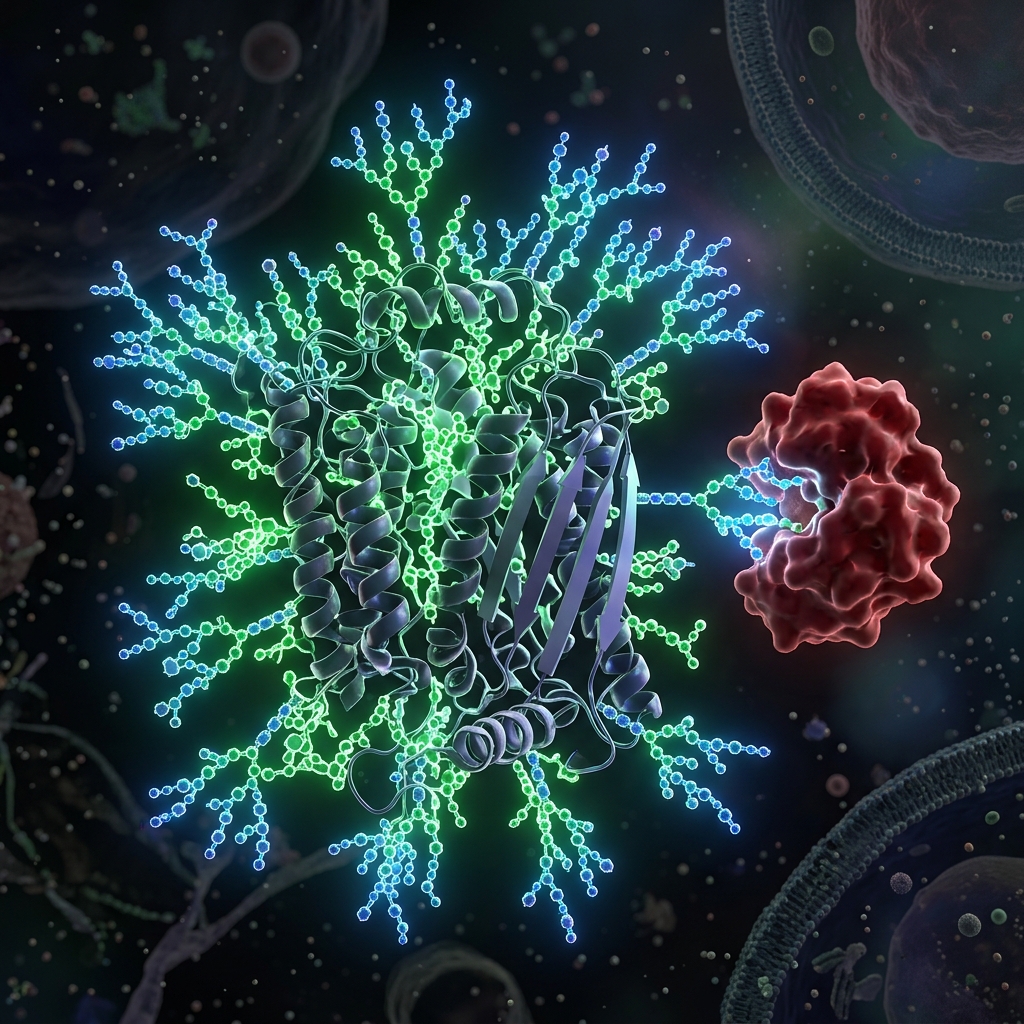
Without their glycan shield, cells look damaged or infected to your immune system, triggering a false alarm. In the brain, this sugar loss weakens the blood-brain barrier and lets inflammatory chemicals slip in. This leaks into the brain and activates microglia, the brain's resident immune cells, putting them on high alert. This chronic brain inflammation eventually damages memory circuits and impairs communication between brain cells.
Targeting these cellular changes is a major focus for healthy aging research. While sialidase inhibitors show promise for protecting glycans, other patients explore NAD therapy options to boost cellular energy and DNA repair. The Northwestern study highlights glycan protection as another vital pillar of cellular defense. Keeping these cell shields intact could play a key role in preventing brain inflammation.
What Did the Northwestern Preclinical Models Demonstrate?
Researchers tested the potential of sialidase inhibitors using advanced preclinical models. They used animal models that mimic the chronic inflammation, aging, and cognitive decline seen in patients with chronic infections. Because these patients often experience subtle memory issues even under treatment, they represent a key group for study. This rigorous setup allowed researchers to see if glycan protection could prevent cognitive decline.

The study showed that using sialidase inhibitors delivered several breakthrough health outcomes:
- Preserved Glycan Shield: Treated models maintained higher levels of protective sugar coatings on blood proteins.
- Reduced Brain Inflammation: Biomarkers showed a major drop in inflammatory chemicals and quieted microglial activity.
- Slower Biological Aging: Specialized aging clocks indicated that treated subjects had a younger biological age.
- Protected Memory: Treated models scored significantly higher on memory and learning tests compared to untreated controls.
These findings suggest that maintaining glycan levels directly preserves the brain's cognitive and memory pathways.
Compare Top Weight Loss Treatments
Select from clinically backed options designed to support long-term metabolic health.
See Pricing OptionsHow Do Sex Differences Influence Glycan Breakdown?
A key discovery in the Northwestern study is that glycan breakdown happens differently in men and women. Biological sex plays a major role in when and how fast these protective sugars degrade. According to the data, these differences could change how we personalize future treatments for cognitive decline. Understanding these variations is essential for developing effective, targeted therapies for everyone.
Female models showed a rapid, sudden drop in protective cell sugars that aligned closely with hormonal changes. Researchers believe that losing estrogen during menopause may trigger the hyperactivity of these sugar-stripping enzymes. In contrast, male models showed a gradual, steady decline in protective glycans over their entire lifespan. This suggests that the biological pathway to memory issues differs significantly between sexes.
These findings mean that protecting your brain might require a personalized approach based on your sex. Because women face a higher risk of developing Alzheimer's disease, the rapid sugar loss after menopause represents a critical window for intervention. Targeting this window with glycan-preserving therapies could offer a powerful new way to prevent dementia. Personalizing care to these biological differences will be key to future medicine.
What Are the Next Steps for Human Clinical Trials?
Moving from animal models to human treatments requires careful, step-by-step clinical testing. Researchers emphasize that patients should not use flu drugs like Tamiflu off-label to prevent dementia. These medications are only approved for short-term use during active infections, and we do not know if they are safe to take long-term. Clinical trials are necessary to verify their safety and efficacy for brain health.
Researchers are now working on next-generation drugs designed specifically to target human enzymes in the brain. They also hope to turn glycan blood patterns into biomarkers that predict cognitive decline. If successful, a simple blood test could identify who is at risk for memory loss before symptoms start. This would allow doctors to intervene early and protect the brain's networks.
If you want to take action today, several clinically validated wellness strategies are already available. You can check if you qualify online to connect with supervised programs focused on healthy aging. Additionally, you can view current pricing details to find a plan that matches your budget. Utilizing existing metabolic support programs remains your best proactive option while new research develops.
This article is for informational purposes only and is not medical advice. Consult your healthcare provider before starting any weight loss medication or treatment.
Access Medically Supervised Treatment
Check your clinical eligibility and view affordable pricing packages online.
See Pricing Options
References
- Med Journal — Med Journal
- Northwestern University News Office — Northwestern University News Office
Related Stories


Disclaimer: This article is for informational purposes only and is not medical advice. Consult your healthcare provider before starting any weight loss medication, peptide protocol, or metabolic therapy.