
- Roche is launching the ZYNERGY Phase II trial combining enicepatide and petrelintide for chronic weight management.
- Enicepatide is a weekly dual GLP-1/GIP receptor agonist, while petrelintide is an amylin analog targeting brain satiety centers.
- The combo aims to deliver superior weight loss with fewer side effects by using lower doses of each drug.
Roche and Zealand Pharma are combining dual incretin and amylin therapies to optimize weight loss.
The medical weight loss landscape is shifting toward combining different treatments to target multiple pathways. Hoffmann-La Roche has announced plans to launch a Phase II clinical trial evaluating a combination of enicepatide (CT-388) and petrelintide. Scheduled to begin in mid-2026, the study represents a collaborative effort with Zealand Pharma, following a licensing agreement in March 2025. The trial, named ZYNERGY, will investigate whether combining these two drugs delivers superior weight loss for patients.
Currently, patients looking for effective therapies can explore options such as semaglutide treatment programs and tirzepatide options. While these existing options target metabolic hormones to mimic fullness, Roche is testing whether combining them with a satiety-regulating hormone like amylin can improve weight loss outcomes. If successful, this combination could offer a powerful new alternative for patients looking to manage obesity.
The Biological Rationale: Dual Incretin Agonism Meets Amylin Regulation
The combination therapy under investigation utilizes two distinct metabolic pathways: a dual incretin receptor agonist and a long-acting amylin analog. Enicepatide (CT-388) is a weekly injection that mimics two fullness hormones (GLP-1 and GIP) to regulate appetite and metabolism. By stimulating these receptors, it sends strong fullness signals to the brain and helps manage blood sugar levels.
In contrast, petrelintide is a long-acting amylin analog, which is a synthetic version of a hormone naturally secreted by the pancreas to signal satisfaction after eating. Amylin binds to specific receptors in the brain stem to slow stomach emptying and promote satiety. Because incretins and amylin target different neural circuits, combining them may produce synergistic weight loss effects.
Clinical researchers suggest that by simultaneously activating both pathways, the combination can send a more comprehensive satiety signal to the brain. This multi-pathway approach may also allow doctors to use lower doses of each drug, which could reduce common gastrointestinal side effects like nausea and vomiting. If true, this could make the treatment much easier for patients to tolerate over the long term.
Explore Medical Weight Care Programs
Find clinical options for semaglutide, tirzepatide, and other medical weight loss solutions.
See Pricing OptionsClinical Data Supporting Enicepatide (CT-388) Efficacy
The decision to test this combination is supported by strong results from clinical trials of enicepatide alone. In January 2026, Roche announced data from a Phase II study of enicepatide in 469 adults with obesity. Participants on the highest weekly dose (24 mg) achieved an average placebo-adjusted weight loss of 22.5% after 48 weeks of treatment.

The study also showed that weight loss had not hit a plateau by week 48, suggesting that longer treatment could yield even more reduction. Roche reported that a high percentage of patients met key weight loss milestones at the 24 mg dose:
- Approximately 95.7% of participants achieved a weight loss of 5% or greater.
- Approximately 87.0% of participants achieved a weight loss of 10% or greater.
- Approximately 47.8% of participants achieved a weight loss of 20% or greater.
- Approximately 26.1% of participants achieved a weight loss of 30% or greater.
Additionally, 54% of patients on the 24 mg dose achieved resolution of obesity, moving their BMI below 30. The side effects were consistent with other GLP-1 drugs, with mild to moderate nausea and constipation being the most common, and a low discontinuation rate of 5.9%.
Clinical Trials of Petrelintide and the Satiety Pathway
Petrelintide represents a novel class of weight care therapies in Roche's pipeline. Unlike incretins, which have been widely used, amylin analogs represent an emerging approach. The development of petrelintide is backed by positive clinical results, including the Phase II ZUPREME-1 trial in adults with overweight or obesity.
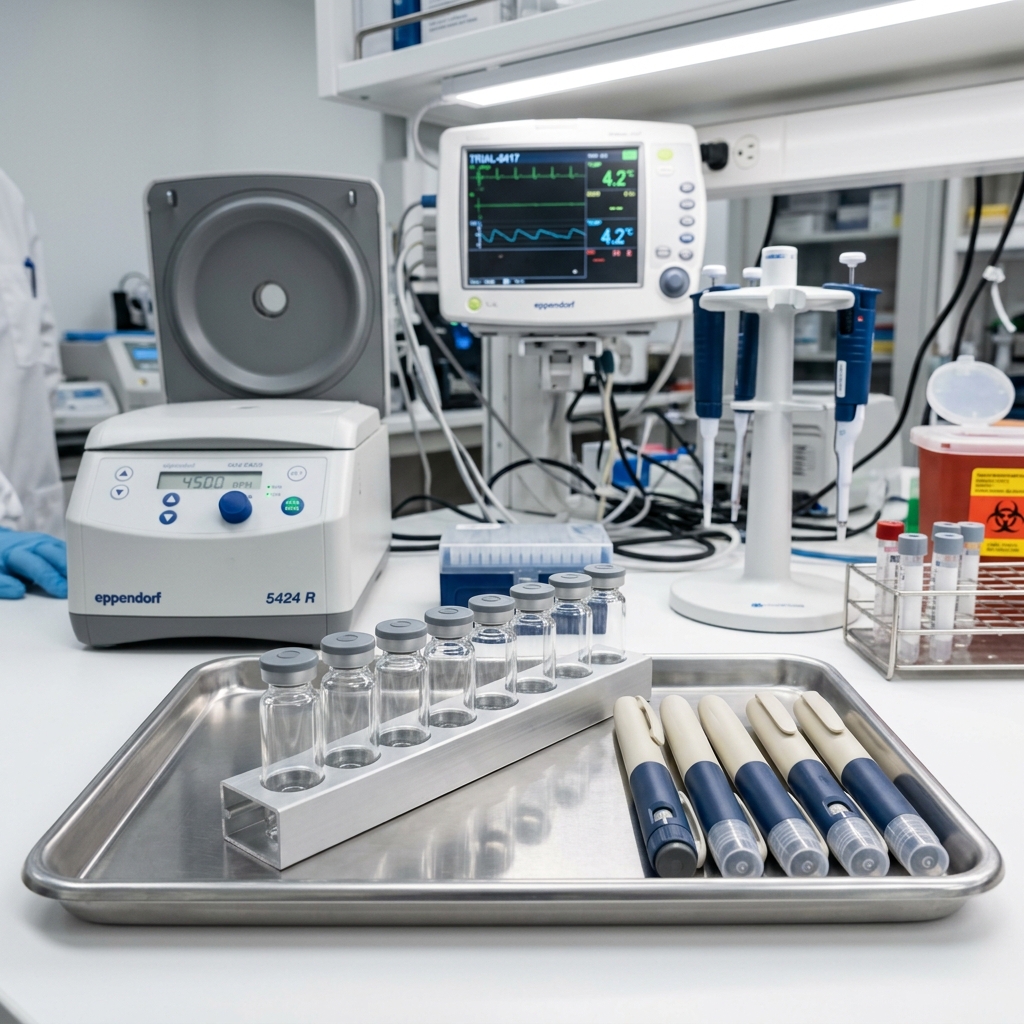
Data presented at major diabetes conferences indicates that petrelintide achieves significant weight loss with "placebo-like" tolerability. Rates of nausea and vomiting were notably lower than those historically reported for GLP-1 receptor agonists. Because gastrointestinal side effects are the main reason patients stop taking weight loss medications, the high tolerability of petrelintide makes it an exciting candidate.
Under their partnership, Roche and Zealand Pharma are developing petrelintide as both a standalone treatment and a combination partner. While Zealand Pharma plans to advance petrelintide monotherapy to Phase III in late 2026, the ZYNERGY trial will explore its potential when paired with enicepatide. This will show whether petrelintide's high tolerability can be maintained when combined with a dual GLP-1/GIP drug.
Compare Top Weight Loss Treatments
Select from clinically backed options designed to support long-term metabolic health.
See Pricing OptionsTrial Design and Objectives of the ZYNERGY Study
The ZYNERGY trial (NCT07589686) is a Phase II randomized, double-blind, placebo-controlled, dose-finding study. Sponsored by Hoffmann-La Roche, the trial is scheduled to begin on June 30, 2026. The team expects primary completion by November 2027, with the full study wrapping up in early 2028.
The study population will consist of adults with obesity or overweight who have at least one weight-related health condition, such as high blood pressure or sleep apnea. The trial will compare different treatment groups to find the best dosing: co-administration of both drugs, petrelintide alone, enicepatide alone, and a placebo group.
The primary goal is to evaluate the percentage change in body weight from baseline to the end of the treatment period. Secondary objectives include monitoring safety, cardiovascular health indicators, blood sugar control, and patient-reported satisfaction. These comparisons will help researchers determine if the combination provides an additive effect on weight loss without increasing side effects.
The Future of Combination Therapies in Metabolic Medicine
The ZYNERGY trial reflects a broader medical shift toward multi-pathway combination therapies for weight management. Because obesity is a complex, chronic disease regulated by multiple systems in the body, single-hormone treatments may not work for everyone. Combining GIP, GLP-1, and amylin pathways mimics the body's natural, multi-hormonal response to food.
If the ZYNERGY trial yields positive results, Roche and Zealand Pharma plan to advance the combination into Phase III trials. The ultimate goal is to develop a fixed-dose combination product that combines both drugs into a single, once-weekly injection pen. This would simplify treatment routines and potentially lower manufacturing and patient costs.
While this combination therapy is still several years away from commercial availability, patients can currently access approved weight care options. You can check if you qualify online or view current pricing for existing programs. Discussing these options with your healthcare provider is the best way to start your personalized metabolic health journey.
This article is for informational purposes only and is not medical advice. Consult your healthcare provider before starting any weight loss medication or treatment.
Access Medically Supervised Treatment
Check your clinical eligibility and view affordable pricing packages online.
See Pricing Options
References
- Hoffmann-La Roche. (2024). Roche reports positive results from Phase Ib clinical trial of dual GLP-1/GIP receptor agonist CT-388 in obesity. Press Release. Roche Media Release
- ClinicalTrials.gov. (2026). A Study of Enicepatide (CT-388) Co-administered with Petrelintide in Adults With Obesity or Overweight (ZYNERGY). ClinicalTrials.gov Identifier: NCT07589686. ClinicalTrials.gov (NCT07589686)
Related Stories


Disclaimer: This article is for informational purposes only and is not medical advice. Consult your healthcare provider before starting any weight loss medication, peptide protocol, or metabolic therapy.