
- Investigational dual-agonist survodutide achieved an average of 16.6% weight loss at 76 weeks in Phase 3 trials.
- Up to 85.1% of patients taking survodutide lost at least 5% of their body weight, significantly outperforming the placebo.
- Initial body composition data suggests survodutide targets fat tissue while helping preserve vital lean muscle mass.
Survodutide is administered as a subcutaneous injection in clinical trials.
Boehringer Ingelheim announced on April 28, 2026, that its investigational dual glucagon/GLP-1 receptor agonist survodutide met both co-primary endpoints in its Phase 3 SYNCHRONIZE-1 trial. The study showed that adults taking survodutide achieved an average weight loss of 16.6% (compared to 3.2% in the placebo group) over 76 weeks. This dual-action drug could soon join approved treatments like semaglutide and tirzepatide in the medical weight care market.
By activating two separate hormone receptors, survodutide aims to suppress appetite while simultaneously boosting metabolic rate. The full data will be presented at the American Diabetes Association's Scientific Sessions in June 2026.
Trial Design and Population
The SYNCHRONIZE-1 trial enrolled 725 adults with obesity or overweight without type 2 diabetes. All participants received regular lifestyle counseling alongside their medication or placebo. The trial utilized a gradual dose-escalation schedule to help participants adapt to the medication and minimize stomach discomfort.
Because the trial excluded patients with type 2 diabetes, the data specifically shows how the drug works in a non-diabetic population. A separate Phase 3 trial, SYNCHRONIZE-2, is currently evaluating survodutide's safety and efficacy in adults who do have type 2 diabetes. This structured approach helps researchers understand the drug's impact on different metabolic profiles.
Explore Medical Weight Care Programs
Find clinical options for semaglutide, tirzepatide, and other medical weight loss solutions.
See Pricing OptionsPrimary and Secondary Outcomes
The trial successfully met its co-primary goals, with 85.1% of participants on survodutide losing 5% or more of their body weight. In comparison, only 38.8% of the placebo group achieved this level of weight loss. Losing 5% of your weight is widely recognized by doctors as the threshold for improving cardiovascular and metabolic health.
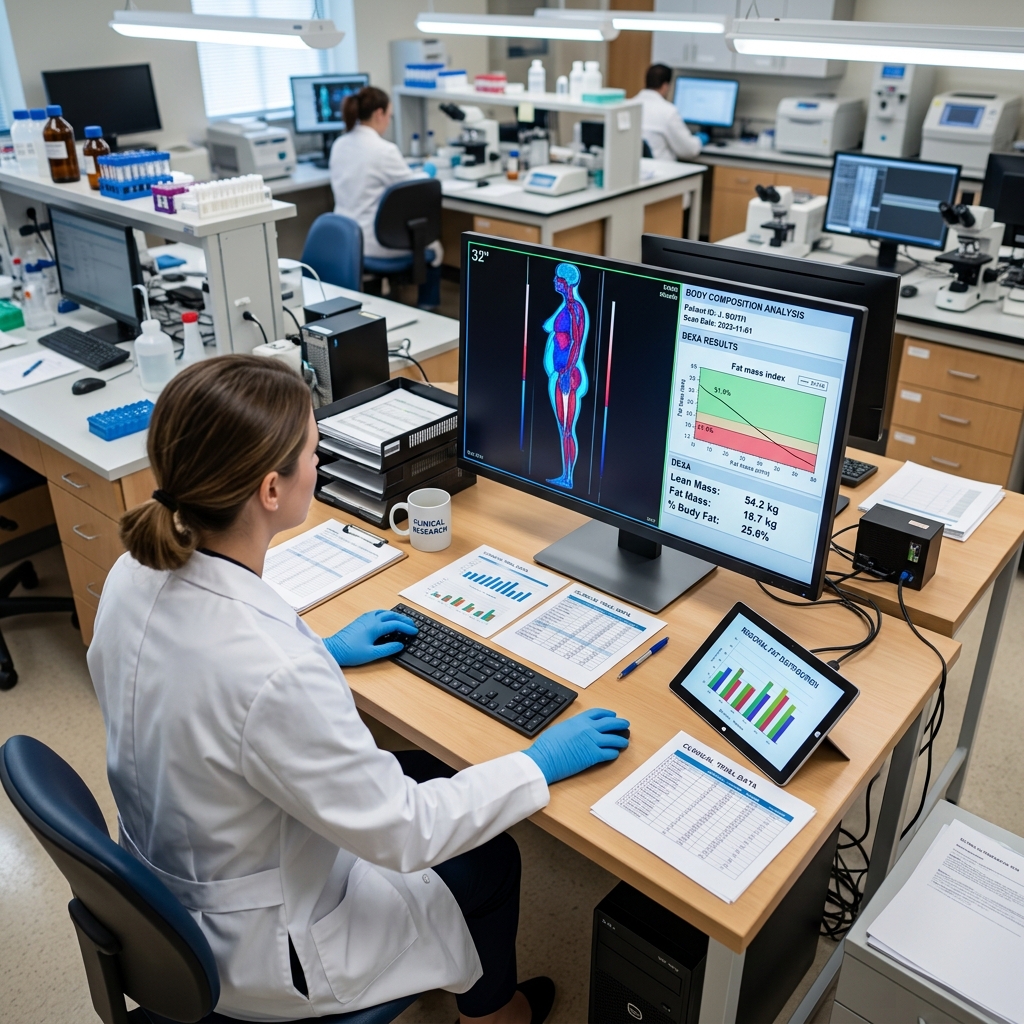
Secondary outcomes also showed significant benefits, including a major reduction in waist circumference, which is a key indicator of visceral fat (the dangerous fat stored around internal organs). Initial analyses suggest the weight loss was fat-predominant, meaning patients preserved muscle mass:
- An average weight reduction of 16.6% at 76 weeks of treatment.
- Visceral fat markers and waist measurements improved significantly.
- Preliminary data shows that the majority of weight lost was fat tissue, helping protect overall physical strength.
How Survodutide Differs From Current GLP-1 Therapies
Survodutide is a dual glucagon/GLP-1 receptor agonist, representing a different approach than existing drugs. While tirzepatide targets GLP-1 and GIP, survodutide combines GLP-1 (appetite control) with glucagon receptor activation (metabolism and fat burning). Glucagon stimulates the liver to burn more energy and oxidize fat, offering a unique metabolic pathway.

This dual action is designed to manage hunger while preventing the metabolic slowdown that often accompanies weight loss. The GLP-1 component also prevents the blood sugar spikes that glucagon would normally cause. This makes the drug a highly balanced option for patients seeking comprehensive metabolic improvement.
Compare Top Weight Loss Treatments
Select from clinically backed options designed to support long-term metabolic health.
See Pricing OptionsSafety Profile and Tolerability
The side effects observed in the trial were consistent with the class effects of other GLP-1 receptor agonists. Mild to moderate gastrointestinal symptoms like nausea, vomiting, and diarrhea were the most common complaints, typically occurring during the early dose-escalation phase. No new safety concerns were identified by the research team.
However, managing tolerability remains critical for long-term success. While older Phase 2 studies saw a discontinuation rate of 24.6% due to side effects, Boehringer Ingelheim refined the Phase 3 dosing schedule to keep patients comfortable. The exact dropout rates for SYNCHRONIZE-1 will be closely watched during the upcoming June presentation.
Broader Clinical Program and What Comes Next
Boehringer Ingelheim is also studying survodutide for MASH (a severe form of fatty liver disease) in its Phase 3 LIVERAGE program. The FDA has granted it Breakthrough Therapy designation for patients with moderate to advanced liver fibrosis. This highlights the drug's potential to treat systemic metabolic disease beyond weight management alone.
If you want to start a clinically supervised weight loss program today, approved medications are already available. You can check if they qualify for treatment or view current pricing online to discuss your options with a licensed medical provider.
This article is for informational purposes only and is not medical advice. Consult your healthcare provider before starting any weight loss medication or treatment.
Access Medically Supervised Treatment
Check your clinical eligibility and view affordable pricing packages online.
See Pricing Options
References
- Boehringer Ingelheim. (2026). Survodutide (BI 456906) Phase 3 Trial (SYNCHRONIZE-1) Demonstrates Significant Weight Loss. Press Release. Boehringer Ingelheim Press
- ClinicalTrials.gov. (2023). A Study to Evaluate the Efficacy and Safety of Survodutide in Adults With Obesity or Overweight (SYNCHRONIZE-1). ClinicalTrials.gov Identifier: NCT06066112. ClinicalTrials.gov (NCT06066112)
Related Stories


Disclaimer: This article is for informational purposes only and is not medical advice. Consult your healthcare provider before starting any weight loss medication, peptide protocol, or metabolic therapy.