
- A BMJ study found Wegovy users had a five times higher reporting rate of NAION (eye stroke) compared to Ozempic users.
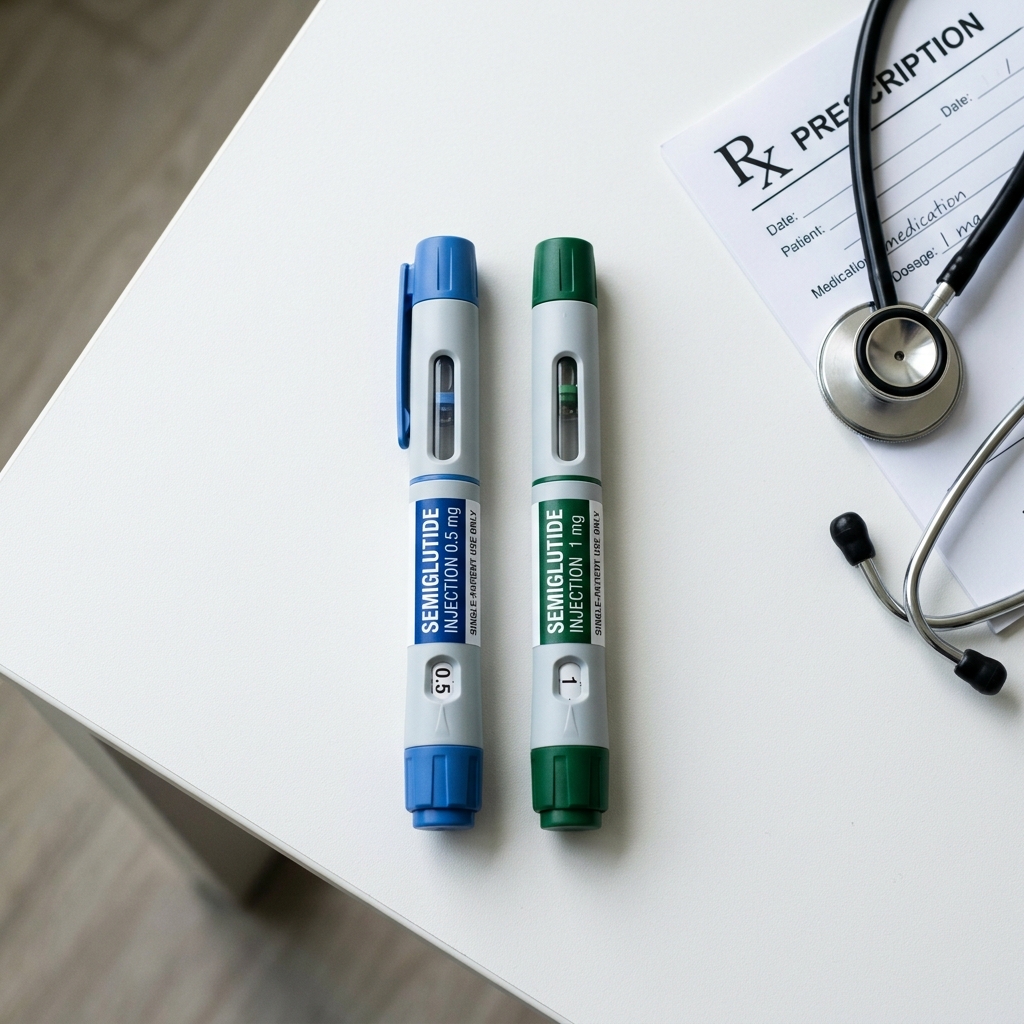
- The higher risk associated with Wegovy may be dose-dependent, as Wegovy uses a higher maintenance dose (2.4 mg) than Ozempic (up to 2.0 mg).
- NANOS and the AAO released a joint statement recommending shared decision-making rather than automatically stopping GLP-1 therapy.
Researchers are investigating potential eye-related risks associated with semaglutide medications.
A study published in the British Journal of Ophthalmology in March 2026 has raised important questions about the eye-related safety of semaglutide. The global analysis found that patients taking Wegovy (a semaglutide formulation approved for weight management) may face a higher risk of developing non-arteritic anterior ischemic optic neuropathy (NAION), commonly called an "eye stroke," compared to those taking Ozempic. In response, major ophthalmology groups have released guidelines to help patients and doctors manage these findings.
While the study reveals a statistical link, it is important to note that the absolute risk of developing this eye condition remains very low. Patients should discuss these findings with their healthcare providers rather than stopping their treatment abruptly.
What the BMJ Study Found
The research team evaluated over 30 million adverse event reports from global databases, including the FDA's FAERS system. The data showed that Wegovy had a stronger statistical signal for eye strokes than other semaglutide options. Key findings include:
- Wegovy users had an adjusted reporting odds ratio of developing NAION that was five times higher than Ozempic users.
- Male patients taking semaglutide appeared to face a three times higher risk of the condition than female patients.
- The risk difference is likely dose-dependent, as Wegovy's maintenance dose reaches 2.4 mg weekly, while Ozempic maxes out at 2.0 mg weekly.
Although Ozempic had more total cases due to its earlier approval, Wegovy's higher dose showed a stronger relative signal. This suggests that higher amounts of the drug may increase the likelihood of this rare side effect.
Explore Medical Weight Care Programs
Find clinical options for semaglutide, tirzepatide, and other medical weight loss solutions.
See Pricing OptionsUnderstanding NAION: What Is an "Eye Stroke"?
NAION occurs when blood flow to the optic nerve is blocked, causing sudden swelling and potential permanent vision loss. According to the North American Neuro-Ophthalmology Society (NANOS), NAION is the most common cause of sudden optic nerve damage in adults over 50. Common symptoms of this condition include:
- Sudden, painless loss of vision in one eye, which is often noticed first thing in the morning.
- A persistent dark or gray spot in your upper or lower field of vision.
- Reduced color vision or brightness in the affected eye.
Risk factors for NAION include high blood pressure, diabetes, sleep apnea, and specific eye anatomy. Because there is no proven cure for NAION, managing your cardiovascular health is the best way to prevent it.
NANOS and AAO Issue Joint Consensus Statement
In May 2026, NANOS and the American Academy of Ophthalmology (AAO) published a joint statement in the journal Ophthalmology. The groups agreed that while research shows a small increased risk, a direct cause-and-effect relationship has not been proven. They emphasized that the absolute risk of an eye stroke remains extremely small.
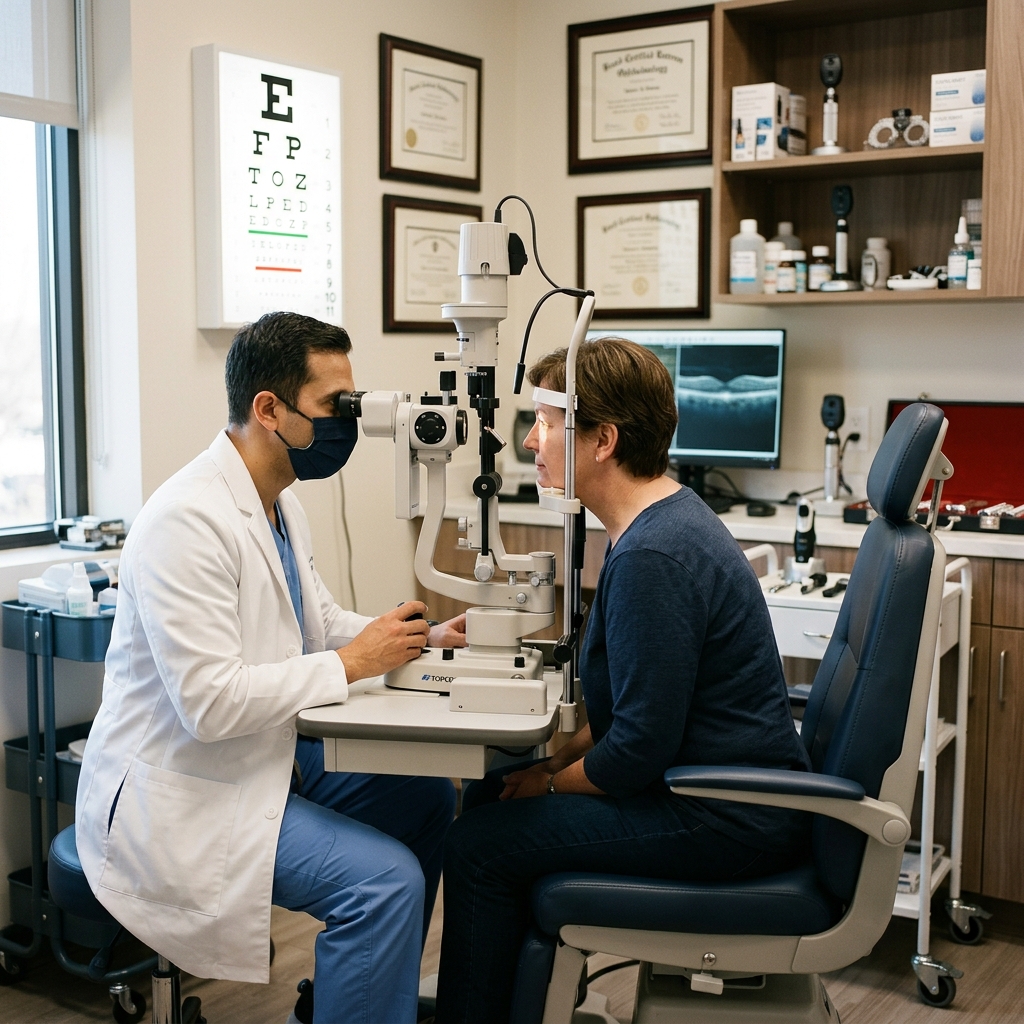
Crucially, the American organizations do not recommend automatically stopping semaglutide treatment programs after a diagnosis, differing from European regulators. Instead, they support a shared decision-making process where patients weigh the cardiovascular benefits of weight loss against the small potential ocular risks. Patients experiencing sudden vision changes should seek an immediate evaluation by an eye doctor.
Compare Top Weight Loss Treatments
Select from clinically backed options designed to support long-term metabolic health.
See Pricing OptionsContext from Earlier Research
The BMJ study builds on a 2024 study in JAMA Ophthalmology that first linked semaglutide to an increased risk of NAION. While these observational studies highlight statistical signals, they cannot prove that the drug itself causes the stroke, as they rely on voluntary reports and cannot control for pre-existing heart disease.
If you are considering GLP-1 therapies, including semaglutide or tirzepatide options, you should discuss your eye health history with your doctor. To evaluate your medical eligibility and find out if these treatments are right for you, you can check if you qualify online.
What This Means for Patients
For the millions of patients currently using semaglutide, these findings highlight the need for careful medical guidance. The overall risk of an eye stroke is low, but Wegovy's higher dosing means eye health should be part of your routine medical checks. Patients should learn to identify the symptoms of NAION and report any sudden vision changes to their doctor immediately.
Your provider can help determine if your cardiovascular and weight management benefits outweigh these potential risks. Staying informed and monitoring your eye health allows you to continue your treatment safely. Working with your medical team ensures you have the support needed for long-term health improvements.
This article is for informational purposes only and is not medical advice. Consult your healthcare provider before starting any weight loss medication or treatment.
Access Medically Supervised Treatment
Check your clinical eligibility and view affordable pricing packages online.
See Pricing Options
References
- Hathaway, J. A., et al. (2024). Risk of non-arteritic anterior ischemic optic neuropathy in patients prescribed semaglutide. JAMA Ophthalmology, 142(9), 812-820. JAMA Ophthalmology (10.1001/jamaophthalmol.2024.2296)
- American Academy of Ophthalmology. (2026). GLP-1 Receptor Agonists and the Risk of Non-Arteritic Anterior Ischemic Optic Neuropathy (NAION). AAO.org Clinical Statement
Related Stories


Disclaimer: This article is for informational purposes only and is not medical advice. Consult your healthcare provider before starting any weight loss medication, peptide protocol, or metabolic therapy.