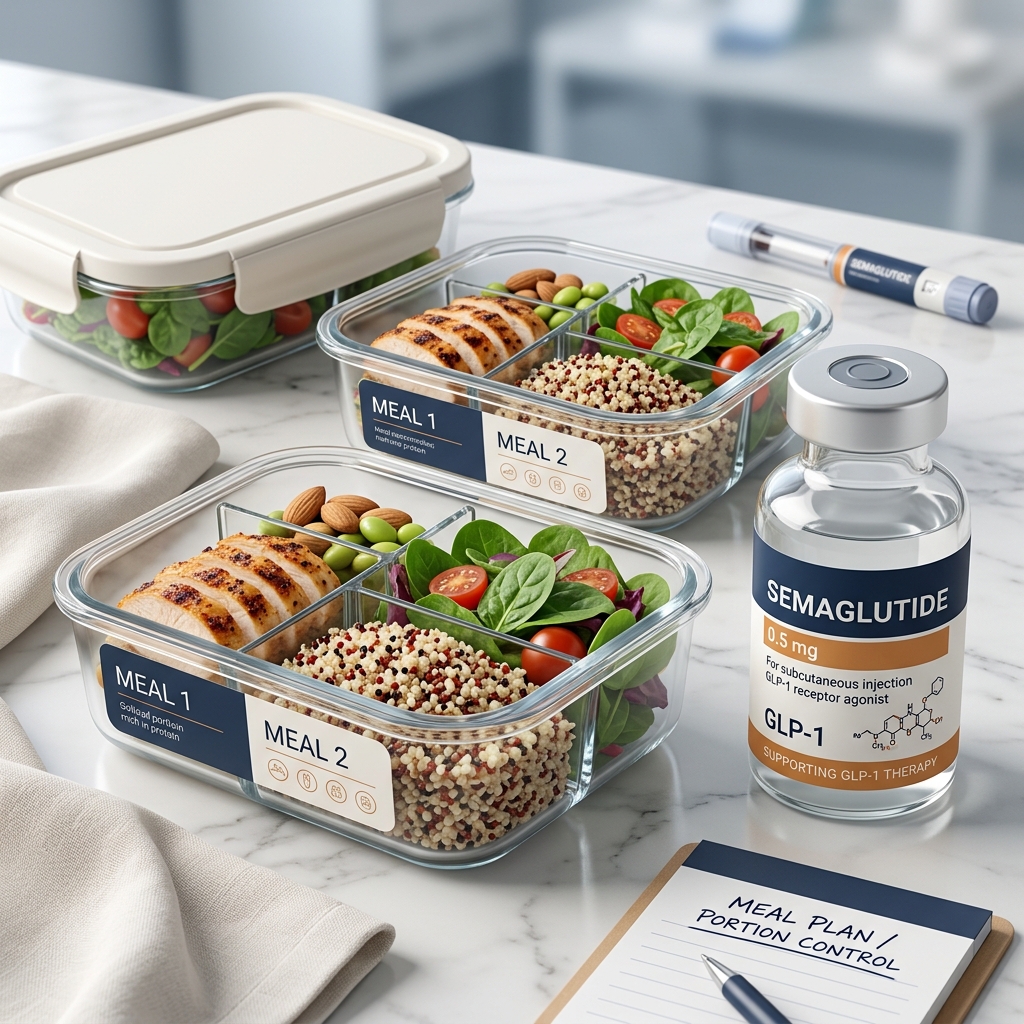
- Delayed Gastric Emptying: GLP-1 agonists slow stomach clearance. Meal prepping small-volume, low-fat meals is crucial to avoid severe nausea, bloating, and acid reflux.
- Lean Muscle Mass Preservation: Target 1.2 to 1.6 grams of protein per kilogram of body weight daily (at least 25–30g per meal) to stimulate muscle protein synthesis and prevent metabolic rate deceleration.
- Avoid Gastrointestinal Triggers: Restricting high-fat, deep-fried, and highly processed foods prevents gastric backlog, while cooking cruciferous vegetables breaks down gas-producing sugars like raffinose.
- Hydration & Electrolytes: Because semaglutide suppresses the brain's thirst centers, consuming 80 to 100 ounces of water daily with sugar-free electrolytes is required to prevent constipation and protect renal function.
- Visual & Physical Portions: Pre-portioning meals in 2-cup or 3-cup glass bento containers coordinates eating behavior with actual physiological capacity.
Introduction: The Paradigm Shift in GLP-1 Nutrition
The clinical introduction of glucagon-like peptide-1 (GLP-1) receptor agonists—such as compounded semaglutide, Ozempic®, and Wegovy®—has transformed the landscape of medical weight management. By binding to receptors in the central nervous system, these peptides alter the neurochemical signaling pathways that govern hunger, food cravings, and the cognitive phenomenon known as "food noise." Consequently, patients achieve weight loss through a substantial reduction in voluntary caloric intake.
However, this therapeutic suppression of appetite introduces a critical nutritional challenge. When calorie intake drops precipitously, patients are at high risk of losing substantial amounts of lean skeletal muscle alongside adipose tissue. Skeletal muscle is a primary determinant of resting metabolic rate (RMR), insulin sensitivity, and overall functional longevity. Sacrificing this tissue during rapid fat loss results in adaptive thermogenesis—a sharp reduction in baseline metabolic rate that makes maintaining weight loss highly challenging after medical therapy ceases.
Additionally, the primary mechanical action of semaglutide is the delay of gastric emptying (slowing the rate at which food leaves the stomach). While this delay extends postprandial satiety, it makes the gastrointestinal tract highly sensitive to food volume and fat content. Consuming large meals, greasy foods, or difficult-to-digest items can cause a mechanical backlog in the stomach, triggering side effects such as nausea, vomiting, acid reflux, and painful bloating.
This is why structured meal prepping is not merely a convenience for GLP-1 patients—it is an essential clinical strategy. By pre-planning, cooking, and portioning meals, you ensure that every bite is nutrient-dense, contains sufficient protein to protect skeletal muscle, and is kept at a safe volume that prevents gastrointestinal distress. Implementing a structured meal prep program, in alignment with a comprehensive ideal semaglutide diet plan, allows patients to maximize the therapeutic benefits of their treatment while minimizing typical side effects.
How Semaglutide Alters Gastrointestinal and Metabolic Physiology
To design an effective meal prep strategy, it is necessary to understand how semaglutide affects the digestive tract. Under normal physiological conditions, the stomach mixes food mechanically and releases it into the duodenum via the pyloric sphincter over a period of 1 to 2 hours. When semaglutide is administered, it acts on the enteric nervous system and the vagal pathway to delay this gastric emptying rate. Food remains in the stomach significantly longer, which prolongs the mechanical and chemical activation of stretch receptors that signal fullness to the brain.
However, if the stomach is presented with a large volume of food, or food with a high fat content, the delay becomes problematic. Fats stimulate the release of cholecystokinin (CCK) and other hormones that further inhibit gastric motility. This can lead to gastroparesis-like symptoms: food sits in the stomach, where it begins to ferment, generating gas and organic acids. This results in the severe acid reflux, bloating, and "sulfur burps" that many patients experience. If you do not actively plan your meals, you are highly likely to succumb to "plate-clearing" behavioral habits out of habit, which can lead to severe discomfort.
Meal prep directly addresses this physiological shift. By preparing meals that are low in fat and portioned into small, easily digestible volumes, you prevent stomach distension and gastrointestinal backlog. Furthermore, because appetite is suppressed, you cannot rely on "spontaneous" eating to hit your daily nutritional targets. When you only feel hungry enough to eat a few bites, those bites must be planned to contain the exact amino acids, vitamins, and minerals your body requires to function healthily.
Access Compounded Semaglutide for $79/Month — Flat Rate
Combine your structured meal prep plan with high-quality compounded semaglutide from state-licensed 503A pharmacies. No insurance required, no hidden fees, and flat-rate pricing at all dosage levels.
Start Your Medical AssessmentKey Dietary Targets for GLP-1 Weight Management
To preserve health and support fat oxidation on semaglutide, prepped meals must meet specific metabolic and physiological criteria. We focus on four key dietary targets: protein density, glycemic control, fat moderation, and structural hydration.
1. High-Protein Focus: Sparing Skeletal Muscle
When in a calorie deficit, the body catabolizes skeletal muscle proteins to obtain amino acids for gluconeogenesis and tissue repair. This can lead to sarcopenia, which reduces strength, impairs insulin sensitivity, and lowers RMR. To counter this, clinical guidelines suggest consuming 1.2 to 1.6 grams of protein per kilogram of body weight daily (approx. 80g to 120g for most adults). In terms of meal prep, this means targeting a minimum of 25 to 30 grams of protein per meal. We must prioritize lean sources that offer a high protein-to-calorie ratio, such as skinless chicken breast, turkey, wild-caught white fish, tofu, egg whites, and low-fat dairy.
2. Complex Carbohydrates: Sustained Glycemic Response
While carbohydrates are not inherently harmful, consuming refined, high-glycemic carbohydrates (such as white bread, white rice, or sugary snacks) causes rapid fluctuations in blood glucose. These spikes and subsequent crashes can trigger reactive hypoglycemia, resulting in intense fatigue, irritability, and sudden nausea. Prepped meals should incorporate low-glycemic, fiber-rich complex carbohydrates. Foods like quinoa, brown rice, steel-cut oats, lentils, and sweet potatoes digest slowly, providing a steady release of glucose into the bloodstream, sustaining energy levels throughout the day without overwhelming the slowed digestive tract.
3. Moderate, Healthy Fats: Preventing Motility Delays
Fats are necessary for hormone synthesis, cell membrane integrity, and the absorption of fat-soluble vitamins (A, D, E, K). However, because fats significantly delay gastric clearance, their intake must be carefully regulated. High-fat meals (such as deep-fried items, heavy cream sauces, and fatty meats) sit in the stomach for hours, triggering side effects. Limit fat intake to small, controlled portions of monounsaturated and polyunsaturated fats, such as extra virgin olive oil (measured in teaspoons rather than poured), small portions of avocado, and raw nuts or seeds. Avoid trans fats and heavy animal fats entirely, which are common gastrointestinal irritants listed in our guide to foods to avoid on semaglutide.
4. Hydration and Electrolytes: Protecting Renal Filtration
GLP-1 receptor agonists act on the subfornical organ in the brain, which regulates thirst and fluid balance. Consequently, semaglutide suppresses the thirst drive along with the appetite. If patients do not actively track their fluid intake, they can easily slip into chronic dehydration. Dehydration leads to a cascade of issues: it causes the colon to extract excess water from stool, resulting in severe constipation; it reduces blood volume, causing orthostatic hypotension (dizziness upon standing); and it increases the kidneys' filtration burden. Rapid weight loss releases metabolic waste products that the kidneys must filter. To support renal function, aim for 80 to 100 ounces (2.5 to 3 liters) of water daily. Incorporating a sugar-free electrolyte packet containing sodium, potassium, and magnesium supports intracellular fluid balance and prevents common side effects like muscle cramps, headaches, and fatigue.
To optimize muscle mass preservation during rapid fat loss on semaglutide, clinical research supports targeting approximately 30 grams of high-quality protein per meal. Hitting this specific threshold delivers at least 2.5 to 3 grams of the branch-chain amino acid leucine, which is the necessary molecular trigger to activate the mTORC1 pathway for muscle protein synthesis. Consuming less protein in a single sitting may fail to trigger this response, leading to muscle catabolism even if daily totals are met. If solid food becomes difficult to consume, supplementing with one of the best protein shakes for Ozempic patients is an excellent way to reach this target.
A Complete 3-Day Sample Meal Prep Menu & Recipes
This 3-day sample menu is designed to meet the specific physiological requirements of patients on GLP-1 therapy. The portion sizes are kept small to match a reduced gastric capacity, providing approximately 1,200 to 1,400 calories per day, with at least 90 to 100 grams of total protein, high fiber, and moderate healthy fats. Each recipe includes detailed preparation, cooking, and storage instructions to ensure food safety and convenience.
Breakfast: Egg-White Vegetable Frittata Muffins
This recipe provides a highly bioavailable, low-fat source of protein that is exceptionally gentle on a slowed digestive system. By using a high ratio of egg whites to whole eggs, we maximize the protein content while keeping the fat content low, preventing delayed stomach emptying from causing morning nausea.
- Ingredients (Makes 6 Muffins - 2 Servings):
- 2 cups liquid egg whites (approx. 480g)
- 2 large whole eggs (to supply fat-soluble vitamins and choline)
- 1 cup fresh baby spinach, finely chopped
- 1/2 cup cherry tomatoes, quartered
- 1/4 cup red bell pepper, finely diced
- 1/4 tsp sea salt and freshly cracked black pepper
- 1/2 tsp dried oregano or Italian seasoning
- Cooking spray (olive oil or avocado oil)
- Step-by-Step Preparation & Cooking:
- Preheat your oven to 350°F (175°C). Lightly spray a 6-cup silicone muffin pan with cooking spray. Silicone is highly recommended to prevent sticking without needing excess oil.
- In a large mixing bowl, whisk together the liquid egg whites and whole eggs until completely combined and slightly frothy. Whisk in the sea salt, black pepper, and dried oregano.
- Distribute the chopped spinach, quartered cherry tomatoes, and diced red bell pepper evenly among the 6 muffin cups.
- Carefully pour the egg mixture over the vegetables in each cup, filling them about 3/4 of the way to the top to allow for rising.
- Bake in the preheated oven for 20 to 22 minutes, or until the center of the muffins is firm to the touch and the edges are lightly golden brown.
- Remove the pan from the oven and allow the muffins to cool in the pan for 5 minutes. Carefully pop them out and transfer them to a wire rack to cool completely.
- Portioning & Storage: One serving is 3 muffins. Store the cooled muffins in an airtight glass container in the refrigerator for up to 4 days. To reheat, microwave on high for 30 to 45 seconds. Do not overheat, as this can make the eggs rubbery and harder to chew.
- Nutritional Profile (Per Serving - 3 Muffins):
- Calories: 180 kcal
- Protein: 26g
- Carbohydrates: 4g
- Dietary Fiber: 1g
- Total Fat: 5.5g (Saturated Fat: 1.5g)
Lunch: Grilled Lemon-Herb Chicken Breast with Quinoa and Steamed Broccoli
This classic meal prep option delivers a balanced combination of lean protein, complex carbohydrates, and fiber. Quinoa is a complete plant protein that digests slowly, providing sustained energy. The broccoli is steamed to make it easier for a slowed stomach to process.
- Ingredients (Makes 3 Servings):
- 12 oz raw boneless, skinless chicken breast, trimmed of fat
- Juice of 1 large lemon (approx. 3 tbsp)
- 1 tbsp extra virgin olive oil
- 1 clove garlic, minced
- 1 tsp dried oregano
- 1/2 tsp sea salt and freshly cracked black pepper
- 3/4 cup dry quinoa (thoroughly rinsed to remove bitter saponins)
- 1.5 cups low-sodium vegetable or chicken broth
- 3 cups broccoli florets, cut into bite-sized pieces
- Step-by-Step Preparation & Cooking:
- In a bowl, whisk together the lemon juice, olive oil, minced garlic, oregano, salt, and pepper. Place the chicken breasts in a ziplock bag, pour the marinade over them, and seal. Marinate in the refrigerator for at least 30 minutes (or overnight) to tenderize the meat.
- In a medium saucepan, combine the rinsed quinoa and broth. Bring to a boil over high heat, then reduce the heat to low, cover, and simmer for 15 minutes. Remove from heat and let sit, covered, for 5 minutes before fluffing with a fork.
- Preheat a grill pan or outdoor grill to medium-high heat. Grill the chicken breasts for 6 to 7 minutes per side, or until a digital meat thermometer inserted into the thickest part reads exactly 165°F (74°C). Transfer the chicken to a cutting board and let it rest for 5 minutes to retain its juices before slicing into 1/2-inch strips.
- Place the broccoli florets in a steamer basket over boiling water. Cover and steam for 5 to 6 minutes, or until the broccoli is bright green and tender-crisp. Do not leave the broccoli raw, as raw cruciferous vegetables are highly gas-producing and difficult to digest.
- Portioning & Storage: Divide the prepped ingredients evenly among 3 individual glass bento prep containers. Each container should receive approx. 4 oz of sliced chicken breast, 1/2 cup of cooked quinoa, and 1 cup of steamed broccoli. Cover and refrigerate for up to 4 days. Reheat in the microwave for 1.5 to 2 minutes.
- Nutritional Profile (Per Serving):
- Calories: 370 kcal
- Protein: 34g
- Carbohydrates: 32g
- Dietary Fiber: 6g
- Total Fat: 8g (Saturated Fat: 1.2g)
Dinner: Baked Wild-Caught Salmon with Sweet Potato Mash and Asparagus
Wild-caught salmon provides high-quality protein and anti-inflammatory omega-3 fatty acids. Asparagus serves as an excellent source of prebiotic fiber, supporting gut health, while sweet potatoes offer a potassium-rich complex carbohydrate that digests smoothly.
- Ingredients (Makes 3 Servings):
- 12 oz wild-caught salmon fillet, cut into 3 equal portions (4 oz each)
- 1 large lemon, sliced into rounds
- 1 tbsp fresh dill, chopped
- 1/2 tsp sea salt and freshly cracked black pepper
- 1.5 lbs sweet potatoes, peeled and chopped into 1-inch cubes
- 2 tbsp plain low-fat Greek yogurt (to add creaminess without heavy fats)
- 1/2 tsp ground nutmeg
- 18-24 medium asparagus spears, tough ends trimmed
- 1 tsp extra virgin olive oil (for the asparagus)
- Step-by-Step Preparation & Cooking:
- Preheat your oven to 400°F (204°C). Line a large baking sheet with parchment paper.
- Place the sweet potato cubes in a large pot, cover with water, and bring to a boil. Cook for 12 to 15 minutes, or until the sweet potatoes are fork-tender. Drain the water, return the potatoes to the pot, and mash them with the Greek yogurt, nutmeg, and a pinch of salt. Set aside.
- Arrange the 3 salmon fillets on one side of the prepared baking sheet. Season the salmon with sea salt, black pepper, and fresh dill. Top each fillet with 2 lemon slices.
- On the other side of the baking sheet, arrange the trimmed asparagus spears. Drizzle the asparagus with the olive oil and toss lightly to coat. Season with a pinch of salt.
- Bake in the preheated oven for 12 to 15 minutes, or until the salmon flakes easily with a fork and the asparagus is tender-crisp.
- Portioning & Storage: Distribute the ingredients evenly among 3 glass storage containers. Each container should receive 1 baked salmon fillet (approx. 4 oz), 1/2 cup of mashed sweet potatoes, and 6 to 8 asparagus spears. Store in the refrigerator for up to 3 days. To reheat, microwave on medium power for 1.5 minutes to avoid overcooking the fish.
- Nutritional Profile (Per Serving):
- Calories: 390 kcal
- Protein: 29g
- Carbohydrates: 38g
- Dietary Fiber: 6g
- Total Fat: 11g (Saturated Fat: 2.0g)
| Recipe | Calories | Protein | Carbohydrates | Dietary Fiber | Total Fat | Storage Life |
|---|---|---|---|---|---|---|
| Frittata Muffins (Breakfast) | 180 kcal | 26g | 4g | 1g | 5.5g | 4 Days (Fridge) |
| Lemon Chicken & Quinoa (Lunch) | 370 kcal | 34g | 32g | 6g | 8g | 4 Days (Fridge) |
| Baked Salmon & Sweet Potato (Dinner) | 390 kcal | 29g | 38g | 6g | 11g | 3 Days (Fridge) |
Practical Tips for Semaglutide Meal Prepping
Structuring your meal prep is about more than just cooking recipes; it requires adapting your food storage and culinary practices to the unique physiology of GLP-1 therapy. Below are five practical tips for ensuring your prepped meals support digestion and minimize side effects.
1. Utilize Smaller Containers to Manage Portions
On semaglutide, visual portion sizes play a major role in eating behavior. When presented with a standard 10-inch plate filled with food, patients often eat beyond their physiological satiety threshold due to social conditioning or habit, leading to severe discomfort and reflux. To prevent this, store your prepped meals in small, 2-cup or 3-cup glass bento containers. Dividing your meals into these smaller compartments prevents over-serving, keeps portion sizes visually manageable, and aligns with your delayed gastric capacity.
2. Cook Cruciferous Vegetables Thoroughly
Vegetables like broccoli, cauliflower, cabbage, and Brussels sprouts are packed with vitamins and fiber. However, they contain a complex trisaccharide called raffinose, which the human stomach cannot digest. Under normal conditions, raffinose is fermented in the large intestine. On semaglutide, because stomach emptying is delayed, raw or undercooked cruciferous vegetables sit in the stomach for an extended period, leading to upper GI fermentation. This causes severe gas, bloating, and painful cramps. Always steam, boil, or roast your vegetables until they are completely soft, which breaks down the raffinose and makes them easier to digest. If bloating remains a problem, substitute cruciferous vegetables with zucchini, spinach, or carrots.
3. Actively Plan and Pack Hydration Accessories
Since semaglutide suppresses the brain's thirst centers, relying on the sensation of thirst to drink will lead to dehydration. When meal prepping, integrate your hydration strategy into your weekly routine. Pack a dedicated, insulated water bottle and pre-fill it with water and a sugar-free electrolyte packet. Place this next to your food containers in your bag. Keeping a physical visual reminder of your hydration goals next to your meals is one of the most effective behavioral habits to prevent the headaches, fatigue, and dry mouth associated with GLP-1 dehydration.
4. Titrate Your Fiber Intake Gradually
Fiber is crucial for preventing the constipation associated with slowed bowel motility. However, introducing too much fiber too quickly can cause a physical blockage in a slowed digestive tract. When starting your meal prep routine, aim for 20 to 25 grams of fiber daily, and gradually increase it to 30 to 35 grams over several weeks. Always ensure that every increase in dietary fiber is accompanied by an increase in water intake. Fiber acts like a sponge; without sufficient water, it dries out and worsens constipation rather than preventing it.
5. Avoid Thick Emulsifiers and Sugar Alcohols
Many pre-packaged "fit" meals, low-carb wraps, and protein bars are formulated with sugar alcohols (such as erythritol, xylitol, or sorbitol) and thick emulsifiers (such as xanthan gum, guar gum, or carrageenan) to improve shelf life and texture. In a stomach with delayed motility, these compounds sit in the digestive tract, where they ferment slowly and pull water into the colon via osmosis, leading to severe bloating, cramping, and osmotic diarrhea. When selecting ingredients for your preps, read labels carefully. Avoid products containing sugar alcohols, and stick to simple, whole-food ingredients.
Behavioral Habits and Lifestyle Integration
Integrating healthy eating habits is just as important as the food itself. To support your clinical weight loss program, incorporate these behavioral strategies into your daily routine:
- Practice Mindful Chewing: Chew each bite of food at least 20 to 30 times before swallowing. This mechanical breakdown of food reduces the physical workload on your stomach, allowing it to empty faster and minimizing reflux.
- The 80% Fullness Rule: Stop eating when you feel about 80% full. On semaglutide, eating until you feel completely full can lead to physical discomfort and nausea 30 minutes later as the food struggles to clear the stomach.
- Avoid Eating Within 3 Hours of Sleep: Ensure your last meal or snack is consumed at least 3 hours before lying down. Because gastric clearance is delayed, lying down with a full stomach allows stomach acid and partially digested food to reflux into the esophagus.
- Combine Diet with Resistance Training: To maximize the preservation of lean muscle mass, combine your high-protein meal prep with resistance training 2 to 3 times per week. This sends a physical signal to the body to preserve skeletal muscle tissue while oxidizing fat.
Frequently Asked Questions
Meal prep is critical because semaglutide delays gastric emptying, meaning the stomach clears food much slower. Consuming large portions or greasy foods can cause severe gastrointestinal distress, including nausea, acid reflux, and bloating. Pre-planning meals ensures you eat smaller, portion-controlled, low-fat meals that align with your reduced gastric capacity.
You should aim for at least 25 to 30 grams of protein per meal. Hitting this target is essential to stimulate muscle protein synthesis (via the mTORC1 pathway) and prevent lean muscle loss during rapid weight reduction. High-protein meals also help stabilize blood glucose and maintain your resting metabolic rate.
If you are prone to gas and bloating (common side effects of GLP-1 therapy), it is best to avoid raw cruciferous vegetables. Cooking them thoroughly breaks down complex sugars like raffinose, making them much easier to digest. You can also opt for easier-to-digest greens like steamed spinach, zucchini, or cucumber slices.
Because GLP-1 receptor agonists suppress the brain's thirst centers, you must actively track fluid intake. Aim for 80 to 100 ounces (2.5 to 3 liters) of water daily. Include sugar-free electrolyte packets in your daily routine to replenish essential minerals (sodium, potassium, magnesium) and prevent fatigue, headaches, and muscle cramps.
Opt for smaller containers, such as 2-cup or 3-cup glass bento boxes, rather than standard large food containers. Using smaller containers helps visual portion control, prevents you from over-serving, and matches your reduced gastric capacity to prevent uncomfortable stomach distension.
Protein shakes are excellent for meeting daily protein targets, especially on days immediately following your injection when your appetite is heavily suppressed. However, they should supplement your diet rather than replace whole-food meals entirely, to avoid micronutrient deficiencies.
Start Compounded Semaglutide at $79/mo — Licensed Providers, Licensed Pharmacies
Complete your 5-minute online assessment, get evaluated by a U.S. licensed provider within 24 hours, and receive your compounded semaglutide from a state-licensed 503A pharmacy — shipped directly to your door.
Get Started TodayClinical References & Sources
- Wilding, J. P. H., et al. (2021). Once-Weekly Semaglutide in Adults with Overweight or Obesity. New England Journal of Medicine (STEP 1 Trial). ClinicalTrials.gov (NCT03548935)
- Wolfe, R. R. (2017). Branched-chain amino acids and muscle protein synthesis in humans: myth or reality? Journal of the International Society of Sports Nutrition. PMC5530432
- U.S. Food and Drug Administration. (2024). Human Drug Compounding. Guidance on Compounded GLP-1 Receptor Agonists. FDA.gov Guidance
- Jensterle, M., et al. (2022). Effects of GLP-1 Receptor Agonists on Gastric Emptying. Frontiers in Endocrinology. PubMed (35222271)
- Thomas, D. T., et al. (2016). American College of Sports Medicine Joint Position Stand: Nutrition and Athletic Performance. (Preserving lean mass during energy restriction). Medicine and Science in Sports and Exercise. PubMed (26891166)